Bar With Private Room Booking Tips Every Host Should Know
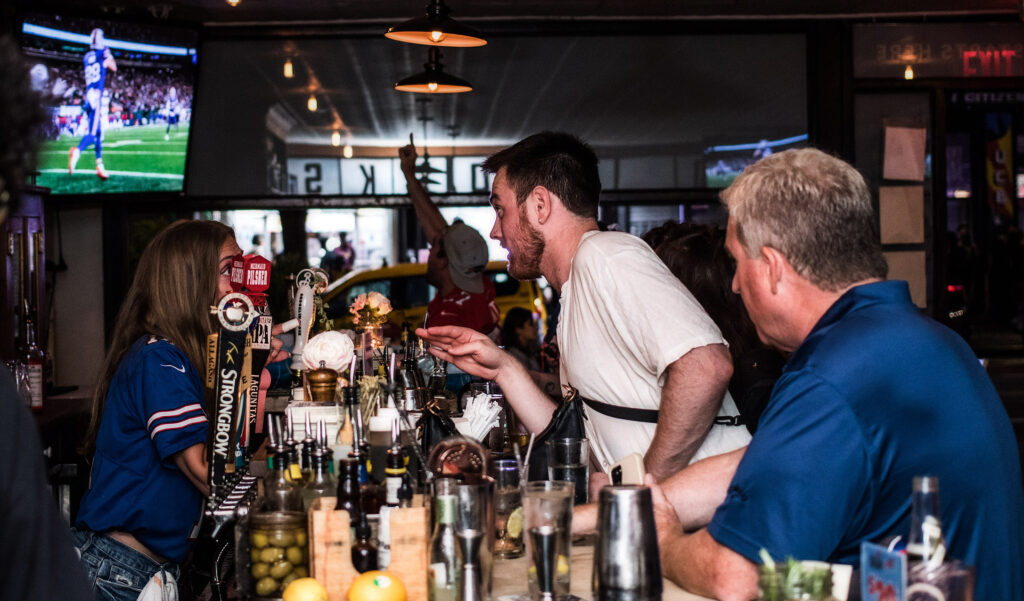
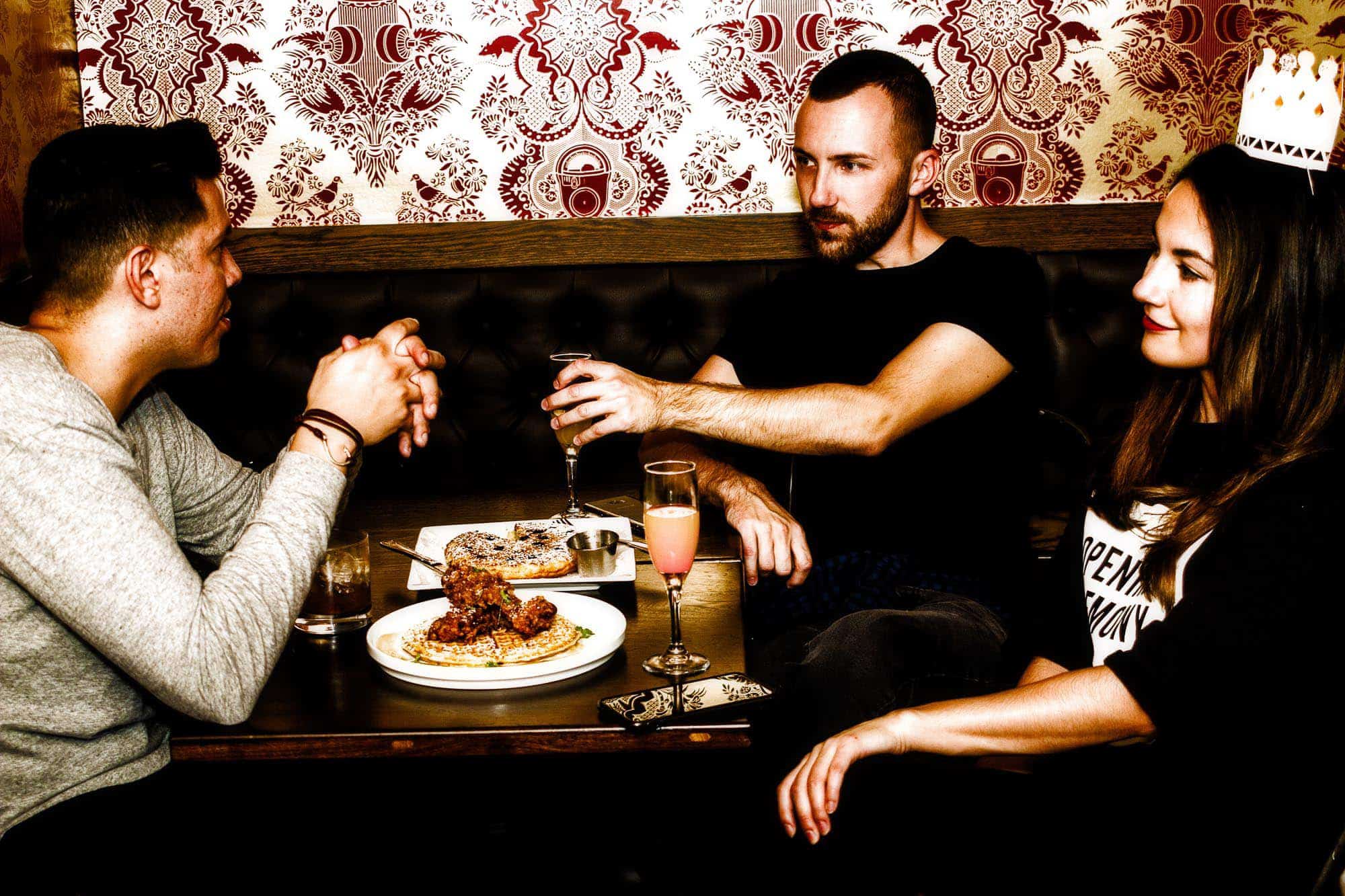
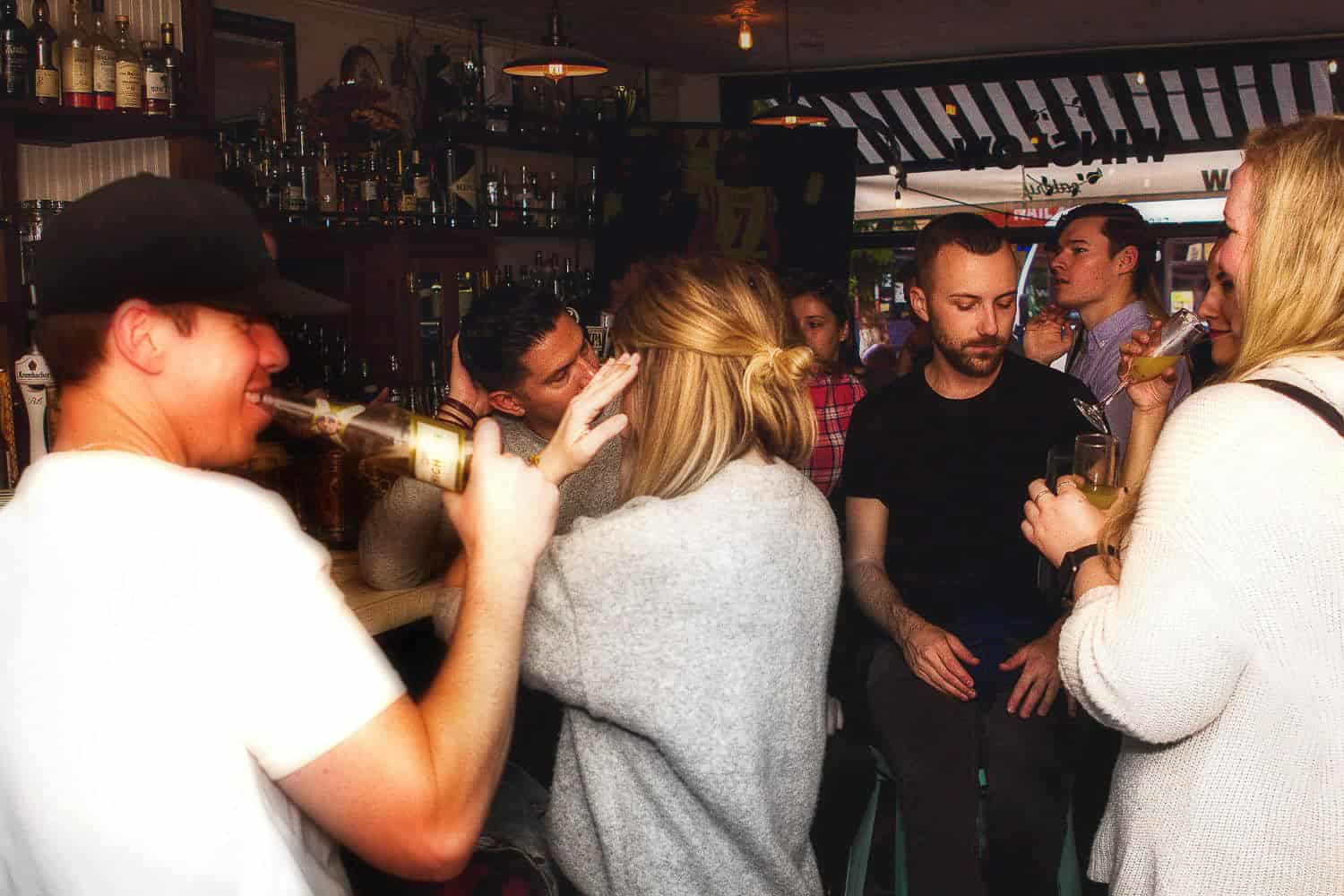
Booking a bar with private room sounds simple until you are the person responsible for the guest list, the bill, the timing, the vibe, and the inevitable last-minute change. That is when details matter. A room that looked perfect online can feel cramped once 30 people arrive in winter coats. A reasonable minimum spend can become expensive if the menu is too limited. A polished event can unravel because no one clarified whether the room gets its own server, its own sound system, or even its own entrance.
Hosts usually remember the big choices. They pick a date, estimate a headcount, and compare prices. What gets overlooked are the practical points that shape whether the event feels effortless or chaotic. The best private bookings happen when a host thinks like both a guest and an operator. You want a room that looks right, but you also want service flow, realistic food timing, and terms that protect you if plans shift.
I have seen private bar events work brilliantly for birthdays, client gatherings, rehearsal parties, retirement send-offs, and team celebrations. I have also seen hosts overpay for space they did not need, get boxed into rigid packages, or discover too late that the “private room” was really a semi-screened corner beside the main bar. A little diligence on the front end saves money, stress, and awkward surprises.
Start with the event you are actually hosting
Before you compare venues, get clear on what kind of gathering this is in real terms, not in broad labels. “Birthday party” can mean 14 people seated for cocktails and shared plates, or 55 people rotating through for three hours with a DJ and a custom cake. “Corporate mixer” can mean a polished networking event with name tags and passed appetizers, or a relaxed team happy hour where people mainly want decent drinks and enough room to talk.
The room should fit the behavior of the event, not just the guest count. A private room that seats 24 beautifully may feel dead for a high-energy celebration with 24 people standing around tall tables. On the other hand, a large event room can make a smaller gathering feel underattended and flat. Scale affects mood more than most hosts expect.
Think through practical questions early. Will guests arrive all at once, or drift in over an hour? Are speeches happening? Do you need presentations, music, decorations, or a cake table? Will older relatives be present, or mostly coworkers in their twenties? Are people drinking heavily, or do you need strong nonalcoholic options and substantial food? These answers shape the kind of bar with private room that will actually serve you well.
A host who answers these questions honestly usually avoids the most common mismatch: booking based on aesthetics alone. Dim lighting, velvet seating, and a back-bar full of rare spirits can be great, but if your group needs easy conversation, room for movement, and quick access to restrooms, those details matter more than the wallpaper.
Know the difference between private, semi-private, and buyout
This is one of the biggest traps in event booking language. Many venues use the phrase “private room” loosely. Sometimes that means a fully enclosed room with a door, dedicated staffing, and clear sound separation. Sometimes it means a raised section divided by a curtain or partial partition. Both can work, but they are not the same product and should not be priced or evaluated the same way.
If privacy matters, ask direct questions. Is the room fully enclosed? Can outside guests see in or walk through? Is there a separate sound source in the room? Can your group control the music volume? Is the space exclusive for the full rental window, including setup time? If the venue says the space is “yours,” confirm whether servers still pass through for storage, service stations, or access to another section.
For work events, engagement parties, or any gathering involving speeches or confidential conversation, semi-private space can become a real problem. Background noise from the main bar travels more than people think. So do sports broadcasts, trivia nights, and live music. A room that feels private at 4:30 p.m. May be anything but private at 7:00 p.m. Once the main floor fills.
That does not mean semi-private space is bad. It can be perfect for informal social events, especially if the price is lower and your group likes a lively atmosphere. The key is booking it with eyes open.
The budget is never just the room fee
Hosts often focus on the rental fee and miss the structure around it. Some venues charge a fixed room fee. Others waive the fee if you meet a food and beverage minimum. Others do both. None of those models is inherently better. What matters is the full financial picture.
A modest room fee with a high minimum can cost more than a higher upfront fee with flexible ordering. Service charges, gratuity, tax, AV fees, security fees, cake cutting fees, and overtime charges can all shift the final number significantly. In many cities, the gap between quoted base cost and final invoice is not trivial.
Ask for a sample estimate based on your likely headcount, time slot, and menu style. A good events manager can usually sketch a realistic range. If they avoid specifics, that is a warning sign. It does not mean they are hiding something, but it may mean you will need to manage the process very carefully.
One detail worth checking is how the minimum spend works. Some venues apply only food and beverage purchases toward the minimum. Others exclude tax, service charge, and room fee. A host may hear “$2,500 minimum” and assume everything counts, only to find that actual consumption must hit that number before the added charges. That difference can be several hundred dollars.
Timing also affects cost. Friday evenings, holiday periods, and peak seasons usually bring higher minimums. If your event is flexible, moving it to a Thursday, a late afternoon, or a Sunday can open better rooms at more sensible terms. I have seen hosts get noticeably better value simply by shifting start time from 7:00 p.m. To 5:30 p.m.
Ask for the floor plan, not just the photos
Venue galleries are designed to sell mood. They rarely tell you how a room functions. A floor plan, even a simple one, reveals whether the space works for your event. It shows bottlenecks, furniture layout, bar placement, door swings, and where staff will circulate.
Photos can make a room look spacious because they are shot wide and empty. What you need to know is whether 35 guests can move comfortably once there are chairs, coats, gift bags, a dessert display, and a server carrying trays through the crowd. If the event includes mingling, standing capacity matters more than seated capacity. If guests are older or dressed formally, tight standing-room conditions become more annoying than festive.
When you review the layout, pay attention to the points people forget. Where do guests check in? Is there space to greet arrivals without blocking service? Can a wheelchair user move freely? Is there a surface for name tags, party favors, or a laptop? If speeches happen, where does the speaker stand so everyone can see and hear?
A site visit is even better. Visit at the same day and approximate time as your event if possible. A room at 2:00 p.m. On a Tuesday is not the same environment as 6:30 p.m. On a Friday. You are assessing traffic, sound bleed, staffing pace, and the general energy of the venue.
Headcount discipline saves money and embarrassment
Venues need honest numbers, and hosts do too. A loose RSVP process is one of the fastest ways to create problems. Underestimating means cramped space, slow service, and inadequate food. Overestimating can push you into a larger, pricier room than you need.
Build your estimate in stages. Start with invitees, then likely attendees, then a realistic high-end number. If the venue asks for a guaranteed count, ask when that guarantee is due and what flexibility exists after that deadline. Some bars can adapt for small fluctuations. Others order staff and product tightly, and they price around that certainty.
It also helps to think beyond the raw number. Twenty-five guests who all show up at the start and stay for three hours behave differently from 25 guests rotating in and out over the evening. The staffing need, food pacing, and drink volume are not the same.
One practical rule that helps many hosts is this:
- Give the venue your realistic working estimate early.
- Share an updated range as RSVPs firm up.
- Confirm the guaranteed minimum by the deadline.
- Plan a small buffer for surprise arrivals.
- Tell the venue if your guest mix changes, not just the total.
That last point matters. A room set for a mixed drinking and dining crowd may need a different approach if the final group turns out to be mostly non-drinkers, or mostly heavy cocktail drinkers who will cluster at service points.
https://www.google.com/maps?cid=9305732499708573250Food and beverage packages need more scrutiny than most hosts give them
Packages make booking easier, but they can hide poor value if you do not read them carefully. A two-hour beer, wine, and well-drinks package may be perfect for a casual celebration. For another group, a limited package creates lines, upgrade requests, and awkwardness when guests discover the only red wine or one available spirit is not what they expected.
Menu design should match event timing and guest behavior. Early evening events often need more food than hosts assume, especially if people are coming straight from work. Late-night celebrations may get by with less, but only if guests have already eaten. Corporate events usually benefit from reliable, easy-to-eat items over messy, trendy dishes. Family celebrations often need clearer labeling for dietary restrictions.
Ask whether food will be passed, set on stations, or served seated. Passed appetizers can feel polished, but they require good staffing and enough circulation space. Buffets create flexibility, but they also create lines. Seated service works best when the room is designed for it and the timeline allows it.
Do not overlook nonalcoholic offerings. A serious host plans for them. Good options make everyone feel considered, and they often reduce the awkward “club soda or nothing” dynamic. Many bars now offer strong zero-proof cocktails, but the quality varies. If that matters to your group, ask what is genuinely available rather than what can theoretically be made.
Service style is what guests remember
Guests rarely leave saying, “The contract terms were excellent.” They remember whether drinks arrived quickly, whether staff seemed organized, whether empty glasses lingered, and whether the room ever felt neglected. Service is the difference between a private event that feels smooth and one that feels improvised.
Ask how the room is staffed. Will there be a dedicated server or bartender? Is there a private bar in the room, or does every drink come from the main bar? Are food runners assigned to your event? What is the ratio of staff to guests? You may not get exact numbers, but the venue should be able to explain the service plan with confidence.
This is especially important in a bar with private room setup where the room is physically separated from the main service area. A beautiful room tucked away upstairs can be charming, but it can also become invisible if staffing is thin. That is when hosts end up leaving their own party to find a server or ask about missing platters.
The most reliable sign of good event service is specificity. If the venue can clearly explain who handles your room, how orders are taken, when food is refreshed, and what happens if the event runs long, they probably operate these bookings regularly. Vague answers usually lead to a vague experience.
Sound, lighting, and temperature can make or break the room
These are not glamorous questions, but they matter deeply. Private rooms often have quirks. Some are too dark for presentations. Some are too bright for evening ambiance. Some have independent music control. Some inherit the building-wide playlist whether you like it or not. Temperature can be an even bigger issue, especially in upstairs rooms, basement spaces, or old buildings with uneven climate control.
Ask whether the room has adjustable lighting. Ask whether speeches can be heard without a microphone, and whether a microphone is available if needed. If you want your own playlist, ask exactly how that works. “You can play your own music” might mean full control, or it might mean handing over a phone and hoping the Bluetooth connection behaves.
If your event depends on AV, never assume compatibility. Test it or get exact specs. A room with a mounted TV may not have the right cables, adapters, or audio routing. I have seen this derail simple slide presentations that should have taken 30 seconds to start.
Temperature deserves blunt attention. A packed room warms up fast. If the room has windows, afternoon sun can push it even further. If coats and formalwear are involved, guest comfort drops quickly. Good venues know these challenges and will tell you how they manage them. If the answer is a shrug, take note.
Contracts reward careful readers
A private event agreement does not need to be intimidating, but it does need attention. The most expensive misunderstandings usually come from assumptions that were never written down. Read the cancellation terms, payment schedule, overtime policy, outside vendor rules, decoration restrictions, and final guest count policy.
Deposits are often nonrefundable, at least in part, and that can be reasonable. The issue is whether the terms are proportionate and clear. If your event might shift, ask whether the deposit can transfer to a new date within a certain window. Some venues are flexible if they can rebook the original date. Others are firm, particularly in peak periods.
Pay attention to timing language. When does the rental period begin? Can you access the room early for setup? Does cleanup need to happen inside your booking window? Hosts get caught here all the time. A three-hour event may effectively be a two-hour event if setup and breakdown eat into it.
Here are the contract points that deserve a second look before you sign:
- What exactly counts toward the minimum spend.
- When final payment and guest guarantee are due.
- What happens if your headcount drops or rises.
- Whether you can bring cake, decor, signage, or outside entertainment.
- How overtime is billed if the event runs late.
If a venue is worth booking, it should be willing to answer these points plainly.
The best hosts think about guest arrival and exit
A strong private event has a beginning and an ending that feel intentional. Bars often focus on the event block itself, but guest experience starts before the first drink is poured. Is the venue easy to find? Is the private room clearly marked? Do guests check in with a host stand, a bartender, or your own greeter? If the room is upstairs or hidden in back, make sure directions are included in the invitation.
Arrival flow matters even more for larger groups. When guests bunch at the entrance or drift uncertainly through the main bar, the event immediately feels less polished. If your budget allows, ask whether someone from the venue can guide arrivals during the first 30 minutes. That small touch prevents confusion and lets you focus on welcoming people rather than playing traffic controller.
Exit matters too. If guests will call rideshares, check whether pickup is easy outside the venue. If you are hosting a work event, think about whether a hard ending is useful. If not, ask what happens after the room booking ends. Can guests move to the public bar? Can tabs continue individually? That transition can either feel natural or abrupt depending on how it is handled.
Matching the room to the occasion
Different events have different pressure points. For birthdays and social celebrations, the emotional goal is usually warmth and momentum. People want a room that feels festive without forcing formality. Flexible seating, easy drink service, and enough sound separation for toasts usually matter more than fancy AV or plated meals.
For corporate gatherings, discretion and pacing tend to matter more. People need to hear each other, move comfortably, and not feel trapped in a room that is too loud or too sparse. Billing accuracy also matters more in business settings. If multiple departments, executives, or clients are involved, clarity around invoices and spending categories becomes part of the host’s job.
For family milestones, accessibility and menu breadth are often the hidden priorities. Age range drives the room choice. So does tolerance for noise. Grandparents, toddlers, and college friends can all be at the same event, which means the “coolest” room is not always the best room. The better choice is often the one with easier seating, cleaner acoustics, and food that lands with everyone.
A rehearsal celebration or engagement event adds another layer. These gatherings often carry family expectations and a longer guest dwell time. People are not just dropping in for drinks. They are settling in, taking photos, making speeches, and watching group dynamics unfold. In those cases, room comfort and service consistency matter more than novelty.
When to negotiate, and when not to
Not every term is negotiable, but many are more flexible than hosts assume. If a bar is not moving on price, it may move on timing, menu inclusions, setup access, or staffing details. You might secure a welcome drink, an extra half hour for setup, or more favorable room layout options. Those concessions can be as valuable as a lower fee.
Negotiation works best when it is grounded in specifics. “Can you do better on price?” is weak. “If we move to a Thursday and confirm 35 guests, can you reduce the minimum or include a dedicated bartender?” is much more useful. Venues respond well when hosts show they understand what drives revenue.
What you should not do is push a venue into terms that make service worse. If the room clearly needs a certain staffing level or spend to function properly, squeezing too hard can backfire. A cheap private booking with inadequate support is not a bargain. It is an event your guests will feel.
Small details that separate average hosts from excellent ones
The best hosts send the venue one clean document or email with final details: event name, point person, day-of contact number, timeline, guest count, arrival notes, dietary needs, payment method, and any special moments such as a toast or cake presentation. That one act eliminates confusion and reassures the staff that someone is steering the ship.
They also build a little margin into everything. They do not schedule speeches the minute the room opens. They do not assume every guest arrives on time. They do not plan food so tightly that one late platter creates panic. Events breathe better when the plan has room in it.
And they choose a venue they trust, not just one that photographs well. A bar with private room options can look excellent online, but if communication is slow, answers are fuzzy, or the sales process feels disorganized, that usually shows up again on event night. Hospitality operations reveal themselves early.
A private room booking should make hosting easier, not harder. The right venue gives your group comfort, focus, and a sense of occasion. The wrong one turns the host into a project manager with a cocktail in hand and a problem every 20 minutes. Ask better questions, read the details, and choose the room that fits the actual event, not the imagined one. That is how hosts create nights people remember for the right reasons.
The Winslow
Address: 243 E 14th St, New York, NY 10003
Phone number: +12127777717
FAQ About Bar With Private Room
Which bars in NYC offer private rooms?
Many bars in New York City offer private and semi-private rooms for parties and events, ranging from hidden basement speakeasies to upscale lounge spaces. Top options include The Back Room on the Lower East Side, Dear Irving Gramercy, Pebble Bar in Midtown, Mister Paradise in the East Village, and The Winslow in the East Village.
What is a private room in a pub called?
A small, private seating area or partitioned booth in a traditional pub is most commonly called a snug. Larger private rooms used for events, parties, or dining are typically referred to as private dining rooms, function rooms, or back rooms.
How much does a 2 hour open bar cost?
A 2-hour open bar generally costs between $15 and $45 per person, depending heavily on the quality of alcohol you choose. For a standard group of 100 guests, this translates to an overall cost of $1,500 to $4,500 before taxes, setups, and staff gratuities.