Gin Bar NYC: Discovering the City One Cocktail at a Time
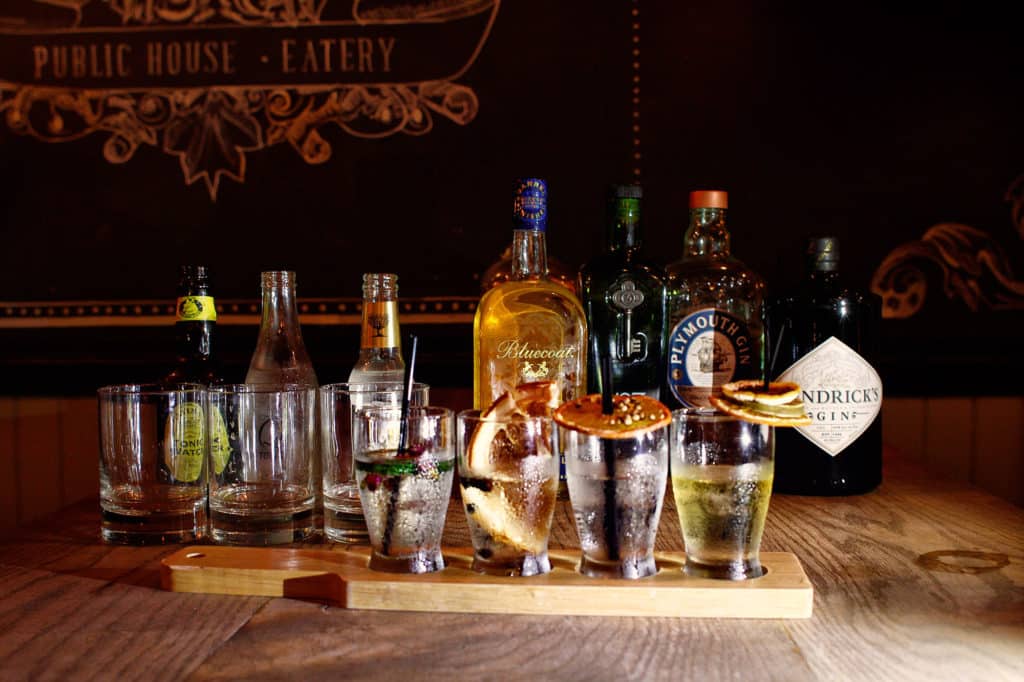

New York has always been a city that rewards people who pay attention. The best meals are often tucked behind unmarked doors, the best jazz slips out of narrow basement rooms, and the best cocktails are rarely the loudest ones on the block. That feels especially true when gin is involved. A great gin bar in NYC is not just a place that stocks a few bottles of London dry and shakes a respectable martini. It is a room with a point of view, a back bar built with curiosity, and a staff that understands how botanical spirits behave in the glass.
Gin has had several lives in this city. It has been the backbone of classic hotel bars, the quiet star of neighborhood cocktail dens, and the spirit of choice for bartenders who want precision without heaviness. Whiskey can dominate, rum can sprawl, tequila can demand attention. Gin, at its best, gives a bartender range. It can be brisk, floral, citrusy, savory, resinous, peppery, or almost saline depending on the bottle and the build. That range is exactly why searching for a memorable Gin Bar NYC experience can feel like tracing the city itself, one neighborhood and one cocktail menu at a time.
What makes New York special is not simply the number of places serving gin. It is the density of talent and the variety of interpretation. In one week, you can drink a cold, stripped-down martini in Midtown, a jasmine-laced gin sour in the East Village, and a highball made with a small-batch local gin in Brooklyn, and each one feels native to its setting. The city does not ask bars to conform. It rewards bars that know who they are.
Why gin works so well in New York
Gin thrives in cities that move fast and appreciate detail. New York does both. A well-made gin drink is often sharp, bright, and structured. It wakes up the palate rather than coating it. That matters in a city where people often meet for one drink before dinner, squeeze into a bar after work, or sit down late at night wanting something elegant but not exhausting.
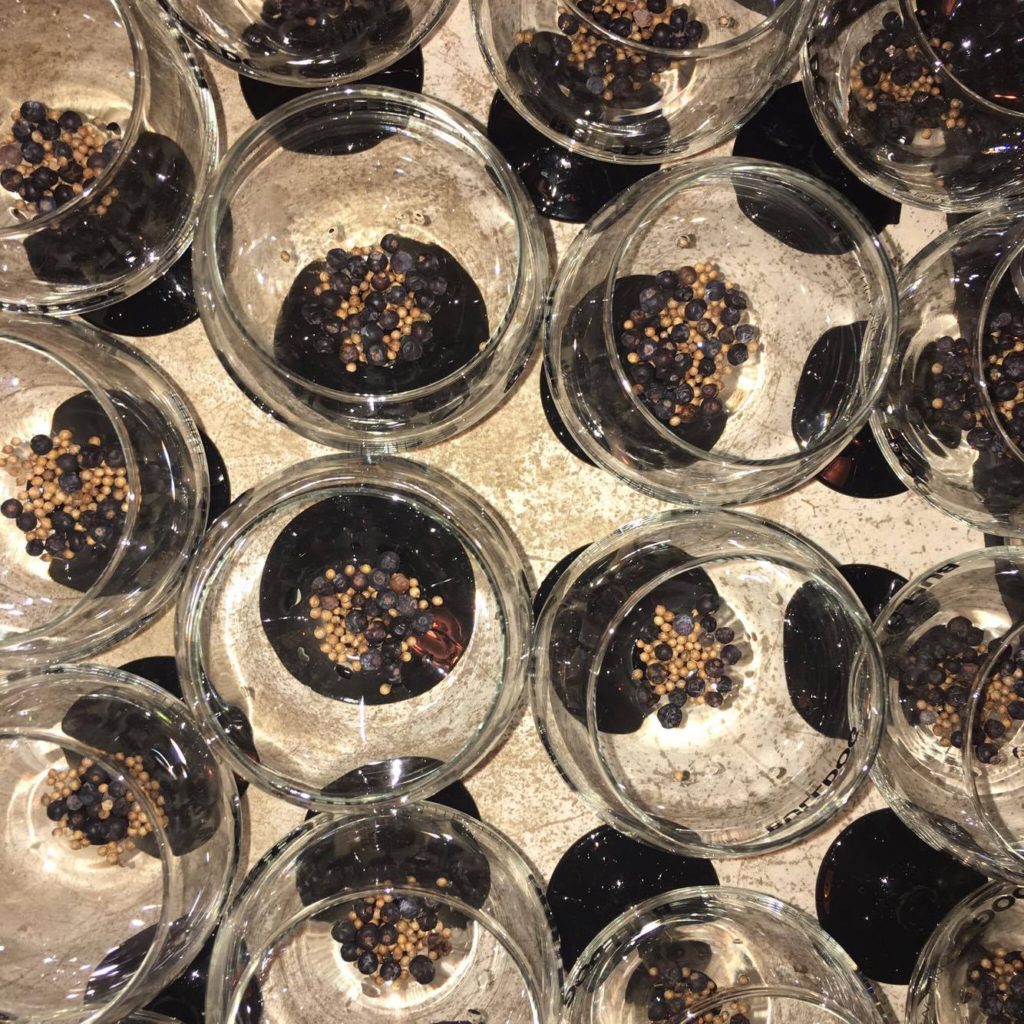
The spirit also fits the city’s culinary culture. New Yorkers have become used to talking about ingredients with real specificity. They notice whether citrus is fresh, whether herbs are bruised or lifted, whether bitterness is dry or sweet. Gin invites that kind of attention because its personality comes from botanicals. Juniper is the anchor, but after that the field opens up. Coriander, angelica root, citrus peel, cardamom, licorice, lavender, rosemary, cucumber, pink peppercorn, even seaweed can shape the final profile.
That means the same drink recipe can behave very differently from one bar to the next. Order a martini with a classic London dry and you get tension, pine, lemon pith. Order that same martini with a softer contemporary gin and it may lean toward white flowers and orange. At a serious gin bar, those distinctions are not treated as trivia. They are the whole game.
There is also a practical reason gin holds such a strong place in the city. It plays well across seasons. In summer, it takes naturally to tonic, soda, cucumber, mint, and crisp fruit. In colder months, it stands up to vermouth, amaro, fortified wine, warm spice, and richer citrus. Bartenders do not have to fight the spirit to make it feel timely. They simply choose a different expression of it.
The anatomy of a strong gin bar
Not every bar with a respectable martini qualifies as a destination for gin drinkers. The difference usually shows up in subtle ways before you even order. The menu language matters. So does the layout of the back bar, the state of the ice, the way vermouth is stored, and the staff’s willingness to ask a useful question instead of reciting a script.
A true gin-focused bar tends to do a few things well. First, it treats bottle selection as curation rather than accumulation. More is not automatically better. A list of 80 gins can be less impressive than a list of 20 chosen with intent. If half the bottles overlap stylistically and no one behind the bar can explain why they are there, the number is decoration. A tighter collection that spans classic London dry, modern citrus-forward gins, savory styles, and a few local or international outliers tells you more about the program.
Second, glass temperature and dilution are taken seriously. Gin is unforgiving when mishandled. A martini that lands warm or watery exposes every weak choice. On the other hand, a properly chilled gin cocktail can feel almost architectural, every edge in place. You notice this most in simple builds. A gin and tonic with lively carbonation, firm ice, and the right garnish can outperform a more elaborate drink built without discipline.
Third, the bar understands context. Not every guest wants Gin Bar NYC a seminar. Good bartenders can read whether someone wants guidance, reassurance, or speed. If you say you like dry martinis but not harsh juniper, the best people behind the stick will steer you without fuss. If you want something adventurous, they can go there too. Hospitality is not showing off knowledge. It is using knowledge in the right amount.
The neighborhoods tell different stories
Part of the pleasure of chasing the best gin bar in NYC is realizing there is no single model. The boroughs and neighborhoods shape the drinks as much as the spirits do.
In Midtown and the hotel-bar corridors, gin often shows up in its most formal clothing. You see polished martinis, vintage glassware, a little ritual, maybe a silver tray if the room wants to lean into old New York. This is where gin’s association with classic cocktail culture remains strongest. Even when the menus modernize, the baseline is control. People come here for consistency, for meetings that turn into dinner, for pre-theater drinks, for the feeling that one exact martini can reset an overlong day.
Downtown, especially in neighborhoods that churn through trends, gin gets more experimental. Bartenders might pair it with saline solutions, tea infusions, unusual aperitifs, or seasonal produce. The danger in these rooms is that the drink can become too clever, with the spirit reduced to a neutral vehicle. The better bars avoid that trap. They let the gin remain legible even when the supporting cast gets inventive.
Brooklyn often brings a different energy altogether, more casual in manner, no less serious in execution. There is room for local distilling stories here, for menus that nod toward savory profiles, lower-proof builds, or longer drinks designed for an unhurried evening. You are more likely to find guests ordering a second round of different drinks instead of locking into one signature serve all night.
Uptown bars, depending on the pocket, can surprise people. Some preserve a nearly old-fashioned relationship with gin, where a Gibson or a gin rickey still feels native, not nostalgic. Others reflect neighborhood dining scenes, folding gin into food-first programs where cocktails need to complement oysters, crudo, roast chicken, or spice-forward plates.
A city this large never offers a single answer. That is the point. If you try to reduce New York’s gin scene to one ideal bar, you miss the pleasure of contrast.
The drinks that reveal a bar’s character
When I want to understand a gin program quickly, I do not start with the most complicated house special. I start with the drinks that give the least cover. Those drinks reveal whether a bar actually respects gin or merely stocks it.
The martini remains the clearest test. Not because there is only one correct version, but because every choice matters. Gin style, vermouth ratio, stirring time, temperature, garnish, and even the shape of the glass can tilt the final drink. A very cold martini with a high-proof London dry and restrained vermouth can read as severe in one setting and perfect in another. A softer 50-50 martini made with a floral gin can be revelatory if the bar knows how to balance it. What matters is that the result feels deliberate.
The gin and tonic is the second test, and people underestimate it constantly. In many bars it is treated like a default order, which is usually where disappointment begins. Tonic freshness matters. Ice quality matters. Garnish matters, though not in the decorative, overgrown way that became fashionable for a while. A wheel of lime is fine if it supports the gin. A slab of grapefruit, rosemary, cucumber ribbon, and star anise all at once is often just noise. A good gin bar knows restraint.
The Negroni tells a different truth. It shows whether the bar can handle bitterness and weight. With gin, the temptation is to let Campari bulldoze everything else. Better versions keep the spirit present, especially when the chosen gin has enough spine to stand up to sweet vermouth and bitter liqueur. You should still taste the gin as a structural force, not just a ghost.
Then there are the house originals, which often reveal the intelligence of the bar team. The strongest gin originals do not just swap gin into a vodka template or bury it under syrups. They build around a botanical idea. Maybe they amplify citrus peel, maybe they draw out herbal notes, maybe they contrast piney dryness with stone fruit or sparkling acidity. When these drinks work, they feel both new and inevitable.
What to ask when you are not sure what to order
A good bar can guide you, but it helps to give the bartender something useful. Saying “I like gin” is less helpful than people think because gin contains multitudes. The better move is to describe shape and mood. Dry or plush. Crisp or aromatic. Bitter or bright. Spirit-forward or lengthened. These cues save time and usually get better results.
If you want a practical shorthand, these prompts work well at the bar:
- “I like martinis that are cold and clean, but not too aggressive on juniper.”
- “I want something refreshing with gin, not sweet, and I’m open to citrus or herbs.”
- “I usually drink Negronis, but I’d like something in that lane with a little more lift.”
- “Do you have a savory gin cocktail rather than a floral one?”
- “If you were showing off one gin drink on this menu, which would it be?”
Those questions open a conversation without forcing the bartender to guess your palate. They also reveal how much the bar actually knows. A vague answer is a warning sign. A precise answer, delivered simply, usually means you are in good hands.
The martini question, dirty, dry, or somewhere in between
No article about gin bars in New York can avoid the martini, partly because the city has never stopped caring about it. What has changed is how many styles now coexist. For a long stretch, hyper-dry martinis dominated certain rooms, with barely a glance from the vermouth bottle. That style still has its followers, but many of the city’s best bartenders have swung back toward balance. Refrigerated vermouth, accurate ratios, and a little less machismo have improved a lot of martinis.
Dirty martinis complicate the picture. They have become a cultural object in their own right, sometimes to the point where the olive brine seems more important than the base spirit. A good gin bar can still make an excellent dirty martini, but this is where bottle choice matters even more. A heavily floral gin can vanish under brine. A sharper, drier gin often cuts through more effectively. If the bar has a house brine or uses high-quality olives, the drink can be bracing and deeply satisfying. If not, it can taste murky fast.
The Gibson deserves more love in gin-focused rooms than it usually gets. Pickled onion and gin are natural partners when handled properly. The savory edge pulls out parts of the spirit that a lemon twist does not touch. In cooler weather or before dinner, a well-made Gibson can feel more complete than a standard martini, with more tension and a cleaner finish than many dirty variations.
How food changes the gin experience
Some of the most memorable Gin Bar NYC moments happen when the food program is strong enough to make the cocktails feel integrated rather than separate. Gin is unusually flexible at the table, though not with everything.
With oysters, shellfish, and raw bar staples, it is hard to beat. The salinity in the food makes gin’s citrus and mineral edges feel brighter. A martini with a twist, a gin rickey, or a restrained Collins-style drink can all work beautifully. With fried snacks, gin can refresh the palate better than richer spirits, especially if there is acidity in the drink.
Cheese and charcuterie are trickier. Juniper and cured meat can be wonderful together, but floral gins may clash with funkier cheeses. In those cases, a Negroni or a gin drink with some bitter structure tends to hold up better than a delicate sour. Spicy food presents another challenge. Highly alcoholic, bone-dry gin drinks can feel sharp against heat. Longer serves or cocktails with a little residual sugar usually behave better.
One of the clearest markers of an experienced bar team is a menu that understands these relationships without lecturing the guest. Sometimes that looks like a small oyster-and-martini pairing. Sometimes it is as simple as a kitchen and bar talking to each other enough to keep the flavors in the same universe.
Price, value, and what is actually worth paying for
New York bar prices can distort expectations, and gin is not immune. You can spend a surprising amount on a very basic drink if the room trades on location or image. Price alone does not tell you whether a bar is serious. The things worth paying for are usually less visible than the marble countertop or the playlist.
You are paying for cold storage, proper glassware, thoughtful inventory, staff training, and the waste discipline required to keep ingredients fresh without cutting corners. Vermouth that is opened, refrigerated, and rotated correctly costs money. So do quality garnishes prepared daily, clear ice, and a team that can execute quickly during a full Saturday service. Those are the hidden mechanics behind drinks that feel effortless.
On the other hand, a huge premium for spectacle rarely benefits gin. This is not a spirit that improves because smoke pours over the glass or because a menu arrives bound like a novella. If the bar leans theatrical, the drink still needs to justify itself in the first sip. New Yorkers are generally good at sensing when the room is charging them for confidence rather than craft.
A few habits that separate seasoned gin drinkers from tourists
Regulars at the best gin bars tend to approach the category with a bit more flexibility than first-time visitors. They understand that the “best” gin depends on the drink. A bottle that sings in a martini may flatten in a gin and tonic. A softer gin that shines in a Collins may disappear in a Negroni. Context matters more than prestige.
They also know not to chase novelty for its own sake. Some of the most satisfying gin nights in the city still revolve around old standards executed almost perfectly. There is pleasure in innovation, certainly, but there is equal pleasure in a bar that knows exactly how cold its martinis should be and never misses. Reliability is not boring when the baseline is high.
Most important, experienced drinkers pay attention to the bartender’s confidence around substitution. If a menu offers a house gin cocktail and the bartender can thoughtfully suggest a different bottle to tilt it drier, greener, or more citrus-driven, that is a sign of real command. If every drink is locked in place because no one wants to think beyond the printed recipe, the bar may be less gin-focused than it appears.
If you are building your own night around gin
A full evening centered on gin in New York works best when you pace it. Gin’s crispness can make it deceptively easy to drink quickly, especially in stirred cocktails served very cold. The smartest nights usually move across styles rather than repeating the same order.
A simple progression tends to work well:
- Start with a long drink, something carbonated and dry enough to wake up the palate.
- Move to a house cocktail that shows the bar’s point of view.
- If the room has earned your trust, order a martini or Gibson next.
- Finish with a bitter gin drink, often a Negroni variation, if you still want one more round.
That arc keeps the palate interested and lets the bar reveal itself in stages. It also mirrors the way many professionals taste spirits, from lighter and more expansive to tighter and more spirit-forward. You do not need to overthink it, but a little sequence goes a long way.
What the city teaches you, one drink at a time
The reason people keep searching for the right gin bar in NYC is not just that they want a good drink. They want a feeling of alignment between place, people, and glass. New York is full of bars that are technically competent. The memorable ones offer something harder to measure. Maybe it is a bartender who notices you hesitating and steers Gin Bar NYC you toward exactly the right variation. Maybe it is a back corner table where the room hums but never shouts. Maybe it is the tiny thrill of tasting a gin you have never had before and immediately understanding why the bar chose it.
Over time, the city teaches your palate. You start to recognize which rooms favor old-school austerity and which ones court experimentation. You learn when a martini sounds right and when a highball will serve you better. You begin to hear the confidence in a bartender’s voice when they talk about a bottle they actually believe in. Those details accumulate.
That is the real pleasure of drinking gin in New York. The spirit becomes a lens. Through it, you notice discipline, style, hospitality, ambition, restraint, and occasionally ego. You notice whether a place wants to impress you or simply take care of you. And because gin is so transparent when handled well, it shows all of that with unusual clarity.
A great gin bar does not have to be famous, expensive, or impossible to book. It just has to know what it is doing, and why. In a city crowded with options, that kind of self-knowledge stands out. Order carefully, pay attention, and let the night unfold. New York rarely reveals itself all at once. Sometimes it happens with the first sip. More often, it happens one cocktail at a time.
The Winslow
243 E 14th St
New York, NY 10003, United States
Phone: +1 212-777-7717
FAQ About Gin Bar NYC
How to do a gin tasting?
Start with a small pour and gently smell the gin before taking a small sip. Notice its juniper, citrus, floral or spice notes, then compare how the flavor changes with a little water or tonic. At a gin bar, ask the bartender to explain the selection and botanical pairings.
How to make the best tasting gin and tonic?
Use chilled gin, fresh tonic and plenty of ice. A common starting ratio is one part gin to two parts tonic, adjusted to taste. Choose a garnish that complements the gin's botanicals and stir gently to preserve the bubbles.
What is the smoothest tasting gin?
There is no single smoothest gin for everyone. Perceived smoothness depends on the botanical recipe, alcohol strength, serving temperature and mixer. Describe whether you prefer citrus, floral, herbal or juniper-forward flavors so a bartender can suggest a suitable style.