How a Gin Bar Creates an Immersive Cocktail Experience
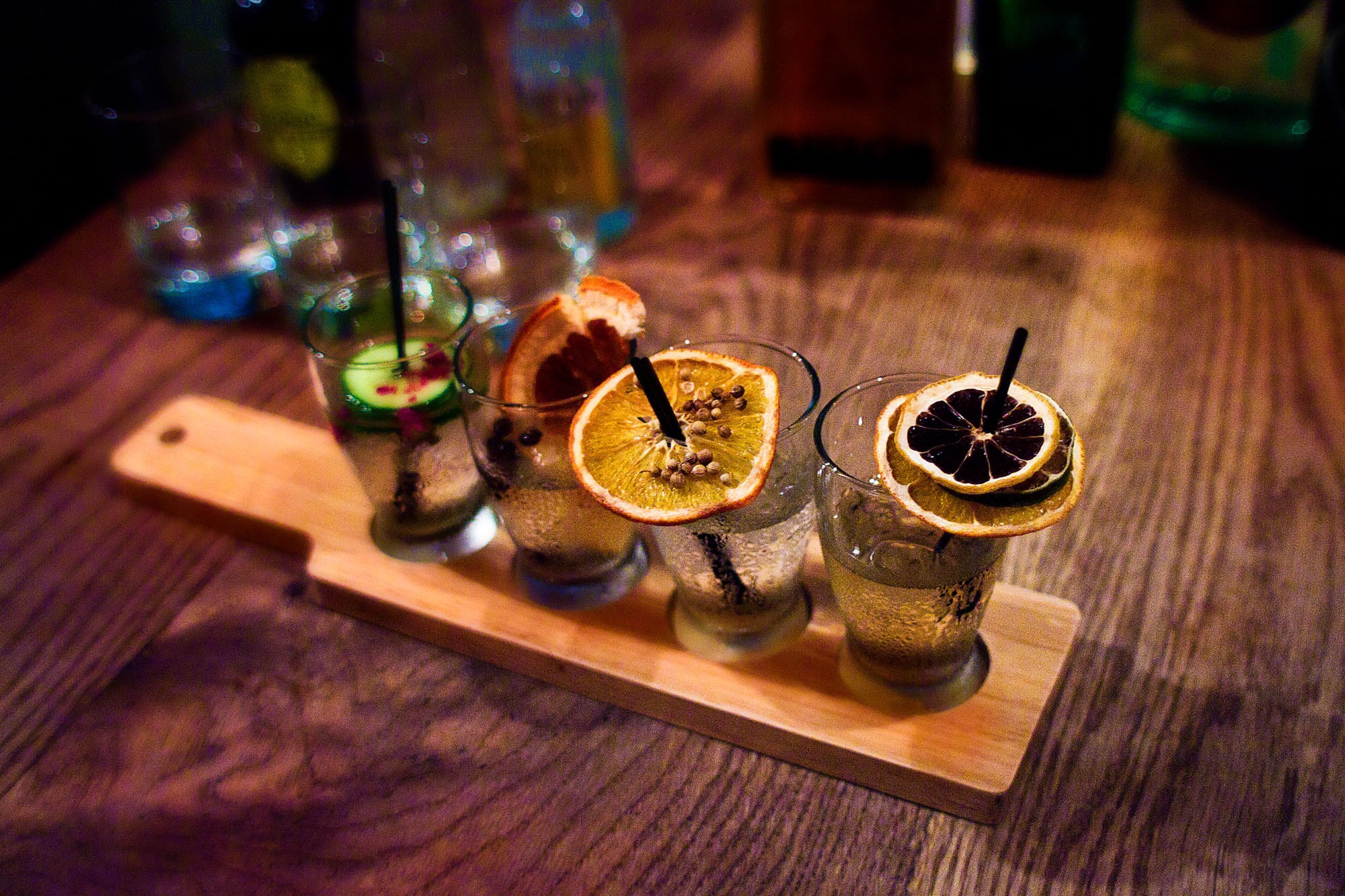
A memorable night out rarely hinges on the drink alone. People remember how a room made them feel, how the bartender guided them, how the glass arrived, what they smelled before the first sip, and whether the experience felt distinct from every other bar they visited that month. That is where a well-run Gin Bar separates itself. It does not simply stock juniper-forward spirits and pour martinis. It builds an environment in which gin becomes a lens for hospitality, design, ritual, and discovery.
That distinction matters more than ever because gin is a spirit that invites interpretation. Vodka often asks for neutrality. Whiskey often leans on age, cask, and heritage. Gin, by contrast, lives in its botanicals. One bottle leans bright and citrusy, another resinous and piney, another floral, savory, or saline. That range gives a Gin Bar unusual creative power. It can shape an evening with scent, texture, pace, and storytelling in a way few concepts can.
The immersive cocktail experience is not accidental. It comes from hundreds of choices, many of them invisible to guests. Some are practical, like ice quality and glass temperature. Others are atmospheric, like lighting levels and the volume of the music. The best bars layer those choices so naturally that the guest feels cared for rather than managed.
The room starts speaking before the bartender does
Walk into a thoughtful Gin Bar and the tone is set long before you read the menu. The entry often carries a subtle aromatic cue, sometimes fresh citrus peel, sometimes herbs, sometimes the clean green note of crushed rosemary or basil. That first impression primes the palate in a way most operators underestimate. Smell creates expectation, and expectation shapes taste.
Design does heavy lifting here. A gin-focused space often works best when it feels precise rather than cluttered. Back bars lined with bottles can be beautiful, but visual density must still read as curated. Guests should sense abundance without confusion. If every shelf is crowded with labels and no logic, the collection feels like inventory. If the display reveals a point of view, perhaps a regional section, a range of contemporary distillates, or a visible progression from classic London Dry styles to more experimental expressions, the back bar becomes part of the conversation.
Lighting matters more than many owners want to admit because cocktails are visual theater. Too bright, and the room loses intimacy. Too dark, and the guest cannot appreciate color, clarity, garnish, or effervescence. In practice, the sweet spot is often low, warm light with targeted illumination on the bar top and key shelves. It keeps the room flattering while letting the drinks still perform.
Furniture and acoustics also shape immersion. Bar stools that are slightly more comfortable invite the second round. Surfaces that absorb some sound allow actual conversation, which matters in a category where bartender guidance can transform the guest experience. A Gin Bar does not need silence, but it benefits from a sound profile that lets guests hear the details: the crack of ice, the pop of a bottle cap, the brief explanation of why one tonic works better than another.
Gin rewards curiosity, and a good menu knows how to guide it
A cocktail list at a Gin Bar should do more than sort drinks by style. The best menus help people navigate gin’s diversity without making them feel tested. A guest should never feel they need to know the difference between old tom and navy strength before ordering a drink. Hospitality begins where expertise becomes accessible.
That usually means writing with restraint. Dense tasting notes can make a menu feel academic. Sparse descriptions can leave people guessing. The strongest menus strike a middle course. They identify a drink’s emotional and sensory center: crisp and saline, bright and bitter, floral with dry finish, round with spice. Those cues give a guest enough confidence to choose.
I have seen bars improve sales and guest satisfaction simply by reorganizing the menu around palate and occasion instead of cocktail family. A section labeled “clean and brisk” tends to work better for many guests than one labeled “built drinks.” “Textured and savory” often says more than “stirred specialties.” The point is not to dumb anything down. It is to translate bar language into guest language.
A smart Gin Bar menu often uses a few anchors. The martini is one. The gin and tonic is another. A negroni variation usually belongs there as well. Those classics act as reference points. They reassure traditionalists and give adventurous guests a way to benchmark the bar’s style. From there, the menu can branch into more imaginative territory, such as seasonal highballs with fresh herbs, clarified drinks with delicate aromatics, or low-ABV serves that let guests linger longer.
The menu can also build immersion by sharing just enough story. Not a history lecture, not a wall Gin Bar of text, just a hint of intention. If a drink uses a Mediterranean gin with olive leaf and thyme, say so because it tells the guest why the garnish and tonic choice matter. If a house serve is inspired by a coastal landscape, the right sentence can frame the experience without sounding theatrical.
The bartender is not just mixing, but translating
At a serious Gin Bar, the bartender’s role goes beyond production. They are part host, part guide, part editor. Gin can be intimidating because its differences are subtle to some guests and dramatic to others. One person may love assertive juniper and bitter citrus. Another may find that same profile medicinal. The bartender has to read those reactions fast.
That skill is often built through dialogue rather than formal script. A simple exchange can reveal a great deal. Ask whether the guest wants something dry, refreshing, aromatic, or richer. Ask what they usually drink when they are not sure. Someone who orders a sauvignon blanc may respond well to green, herbaceous notes. A whiskey drinker curious about gin may appreciate texture, spice, and a more spirit-forward build. These are small judgments, but they create that feeling guests describe as “they just got it right.”
Training is where immersive service either deepens or falls apart. Staff need technical knowledge, certainly, but they also need sensory language. There is a difference between reciting botanicals and describing effect. Coriander can read as peppery citrus. Orris can lend powdery floral structure. Angelica can feel earthy and dry. Bartenders who can explain those distinctions in plain language make guests feel included in the craft rather than talked down to by it.
A strong training culture also teaches restraint. Not every guest wants a seminar. Some want quick confidence and a cold drink. The immersive experience works best when service flexes to the guest’s appetite for information. One of the easiest mistakes in concept bars is overperforming the concept. A Gin Bar should never feel like a museum with seating.
Glassware, ice, and garnish carry more meaning than decoration
The mechanics of the drink are often where immersion becomes tangible. Guests may not articulate why one Gin Bar feels more polished than another, but they can feel it instantly when details line up.
Temperature is one of the most powerful tools in the room. A frozen coupe for a martini changes the first three minutes of the drink. It preserves structure, sharpens aroma release, and signals care before the guest takes a sip. Likewise, a properly chilled highball with dense, clear ice delivers a cleaner, slower dilution curve. Those outcomes sound technical, but the guest experiences them as pleasure and confidence.
Garnish is especially important with gin because it can either amplify or flatten the spirit’s profile. The lazy approach is visual decoration. The disciplined approach is aromatic architecture. A grapefruit peel can sharpen bitterness and lift citrus oils. A bay leaf can add savory complexity. A sprig of rosemary may look handsome, but if it overwhelms the gin’s subtler botanicals it becomes a prop rather than a contribution.
The same principle applies to tonic and soda choices. Not all tonic waters are interchangeable. Some are aggressively quinine-forward, some sweet, some soft and neutral, some strongly citric. Pairing matters. A classic juniper-heavy gin may welcome a drier tonic. A floral gin can become cloying with the wrong mixer. In a high-functioning Gin Bar, these combinations are tested, not guessed.
A few details tend to separate average execution from truly immersive service:
- Glassware matches both drink structure and guest expectation.
- Ice is selected for dilution rate, not just appearance.
- Garnishes contribute aroma, not only color.
- Carbonation is protected through careful pouring and timing.
- Every serve reaches the table looking intentional, never rushed.
None of these choices is expensive by itself. Together, they create the sensation that the bar knows exactly what it is doing.
A Gin Bar uses aroma like a chef uses seasoning
Most guests think first about taste, but in gin service aroma often leads the experience. That is one reason martinis can feel so transporting when made well. Before the palate engages, the nose catches lemon oil, green herbs, pepper, floral lift, or briny salinity. The drink announces itself.
Immersive bars design around that fact. Some express citrus directly over the glass at the point of service. Some serve certain drinks beneath a cloche, releasing aroma at the table. Some place a small botanical element alongside the serve, not to be eaten, but to orient the senses. These gestures only work when they are subtle. Once they become gimmicks, the spell breaks.
Seasonality gives aroma another dimension. In cooler months, a Gin Bar may lean into spice, evergreen, roasted citrus, and richer textures. In warmer weather, it may highlight cucumber, green herbs, elderflower, verjus, or bright acid. This does more than refresh the menu. It creates a rhythm that regulars begin to anticipate. They return not just for a favorite drink, but to see what the bar smells and tastes like now.
There is also a practical advantage to this approach. Seasonal aromatic ingredients often perform best when they are fresh and local. That can improve quality while controlling waste, provided the menu is engineered carefully. Delicate herbs bruise quickly. Citrus prices swing. Edible flowers can be beautiful but fragile. A seasoned operator knows where the guest will notice quality and where a simpler choice is wiser.
Ritual gives the guest something to remember
Immersion often depends on ritual, the small repeated actions that make a place feel singular. A Gin Bar can build ritual around service without becoming precious. Stirring a martini tableside, presenting tonic options for a signature G and T, expressing a peel with a practiced flourish, or pouring from chilled miniature bottles into stemware all create moments that register.
What matters is consistency. Ritual only becomes meaningful when guests can trust it. If one bartender offers a polished mini-ceremony and the next slaps down Gin Bar a drink without context, the brand feels unstable. The best bars know exactly which moments deserve theater and which should stay invisible behind the line.
A useful test is whether the ritual improves the drink or the guest’s understanding of it. If yes, it likely belongs. If it exists only for spectacle, it will age badly. Guests are more discerning than many operators think. They enjoy performance, but they can tell when the show is covering weak fundamentals.
One bar I visited handled its house martini with particular intelligence. The bartender chilled the glass, stirred to a very precise dilution, and served the drink with a tiny side carafe holding the final ounce. That extra pour let the guest top up a cold martini halfway through, restoring temperature and aroma. It felt luxurious, but it also solved a real technical problem. That is ritual at its best, memorable because it is both elegant and useful.
Sound, pace, and staffing shape the night as much as the spirits
An immersive cocktail experience can fall apart even when the drinks are excellent. Often the culprit is pace. Guests notice when the room feels frantic, when staff are stretched, or when every order takes too long because the menu was designed without regard for throughput.
Gin cocktails can be deceptively labor-intensive. Fresh citrus, precise garnishing, carbonated mixers, and delicate glassware all demand attention. If a Gin Bar wants to maintain quality under pressure, it needs systems. Batch what can be batched without sacrificing freshness. Pre-chill where possible. Build station layouts that reduce unnecessary motion. Keep the back bar intuitive. Great bars often look graceful because they are ruthlessly organized behind the scenes.
Music and room tempo matter too. Early evening service may support more conversation and guided recommendations. Later, as volume rises and seats fill, the experience may shift toward energy and flow. A strong bar adapts without losing its identity. That means the soundtrack, lighting, and staffing model should evolve with the night, not remain fixed from opening to close.
This is where the concept earns its professional credibility. It is easy to design one beautiful service moment on a quiet Tuesday. It is much harder to deliver that same quality on a packed Friday when six martinis, four gin fizzes, and a round of custom G and Ts hit the rail at once.
Immersion depends on balancing choice with confidence
One of the biggest strategic questions for a Gin Bar is breadth versus curation. A huge bottle list can impress people, but too much choice can slow service and paralyze guests. On the other hand, a very small list may feel controlled and elegant, but it risks disappointing enthusiasts who came specifically to explore.
The answer usually lies in layered choice. The guest should have a simple path and a deep path. A simple path might be a concise house menu and a few well-designed signature serves. A deep path might be a reserve list, tasting flight, or guided martini comparison for people who want to dive further.
Flights can work particularly well if they are disciplined. Three small pours can reveal how different botanical structures behave side by side. The key is keeping the format practical and sensory, not academic. Guests should come away with stronger preferences and clearer language, not the feeling that they attended a lecture.
A Gin Bar also needs the confidence to edit. Not every trendy gin belongs on the back bar. Not every garnish trend improves the guest experience. Not every viral service style translates to a real room with real constraints. The immersive experience feels seamless precisely because so many options have already been tested, refined, and in some cases rejected.
Food, if offered, should support the spirit rather than compete with it
Many gin-focused bars make the mistake of treating food as an afterthought or, at the other extreme, letting the kitchen overpower the concept. The sweet spot is food that amplifies what gin does well. Salinity, acid, herbs, clean fats, and crisp textures usually perform better than heavy sweetness or deeply smoky flavors.
Oysters and martinis are an obvious pairing because they work. So do fried bites with sharp aioli, citrus-cured fish, olives, mild cheeses, herb-laced flatbreads, and well-seasoned nuts. The goal is not to build a full fine dining arc unless the concept truly supports it. It is to give guests a few smart options that extend the evening and sharpen the drinks.
The best pairings often follow a simple logic:
- Dry, bracing gin drinks benefit from salty or fatty snacks.
- Floral and citrus-led serves pair well with delicate seafood or fresh herbs.
- Bitter, aperitif-style cocktails can handle richer fried textures.
- Savory gin profiles work surprisingly well with olives, nuts, and aged cheese.
- Very sweet or intensely spiced dishes tend to flatten subtle botanicals.
This is not dogma. There are always exceptions. But bars that understand these relationships create a more coherent experience from first order to final round.
The strongest Gin Bars leave room for personal memory
For all the talk of concept, design, and technical precision, immersion becomes meaningful when it feels personal. People return to bars where they felt understood. They remember the bartender who swapped a tonic after asking two sharp questions, the menu note that led them to try a style of gin they would normally avoid, the garnish aroma that reminded them of a holiday, a garden, a coastline, or a meal.
That is the quiet power of a Gin Bar. Gin is expressive enough to trigger those memories without becoming heavy-handed. It can be crisp and urban, wild and botanical, coastal and mineral, nostalgic and polished. Few spirits can move that fluidly between moods.
A bar that builds around gin has a rare opportunity. It can turn cocktail service into sensory storytelling, not through gimmicks or excess, but through a disciplined combination of atmosphere, technical execution, and human judgment. When those elements align, the guest does not simply order a drink. They step into a world with its own pace, its own logic, and its own pleasures, one that lingers long after the glass is empty.
The Winslow
243 E 14th St
New York, NY 10003, United States
Phone: +1 212-777-7717
FAQ About Gin Bar
How to do a gin tasting?
Start with a small pour and gently smell the gin before taking a small sip. Notice its juniper, citrus, floral or spice notes, then compare how the flavor changes with a little water or tonic. At a gin bar, ask the bartender to explain the selection and botanical pairings.
How to make the best tasting gin and tonic?
Use chilled gin, fresh tonic and plenty of ice. A common starting ratio is one part gin to two parts tonic, adjusted to taste. Choose a garnish that complements the gin's botanicals and stir gently to preserve the bubbles.
What is the smoothest tasting gin?
There is no single smoothest gin for everyone. Perceived smoothness depends on the botanical recipe, alcohol strength, serving temperature and mixer. Describe whether you prefer citrus, floral, herbal or juniper-forward flavors so a bartender can suggest a suitable style.