How to Choose the Right Drink at a Gin Bar
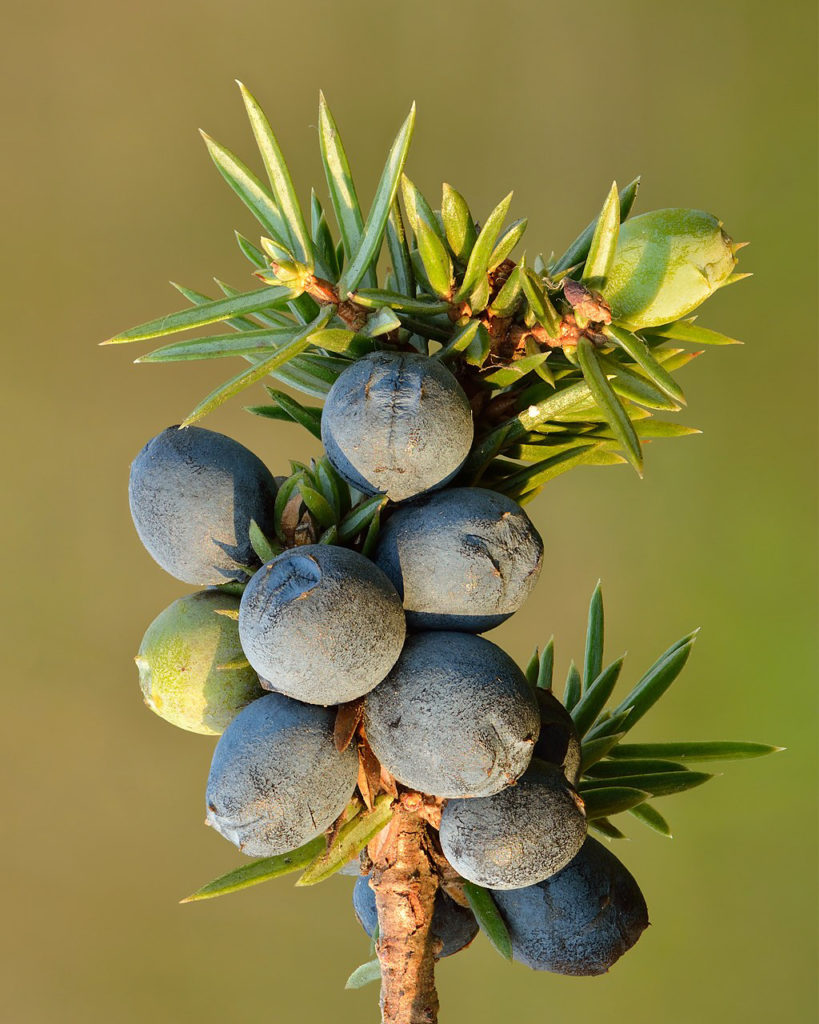
Walking into a good Gin Bar can feel a bit like opening a well-stocked spice cabinet for the first time. There is immediate possibility, but also a fair amount of uncertainty. One back bar may hold forty bottles. Another may hold two hundred. Some focus on classic London dry styles, some lean into contemporary citrus-forward bottlings, and some carry strange, compelling gins built around seaweed, olive, pink peppercorn, or native botanicals you have never heard of. Add tonic choices, garnishes, glassware, vermouths, liqueurs, and house signatures, and a simple drink order can suddenly feel more consequential than it should.
The good news is that choosing well at a gin-focused bar is not about memorising brands or pretending to have a trained palate. It is about understanding a few practical principles, then using them in the moment. Once you know what to ask, what to notice, and what kind of experience you actually want from the glass in front of you, the whole thing gets much easier.
The best drink at a Gin Bar is rarely the most expensive, the most unusual, or the one with the longest ingredient list. More often, it is the drink that suits your mood, your palate, the time of evening, and the strengths of that particular bar.
Start with what kind of gin experience you want
People often make the mistake of ordering by category before they have decided on the actual experience they want. They say they want a gin and tonic, or a martini, or “something with gin,” without thinking about whether they are in the mood for something sharp, cold, fragrant, bitter, light, or spirit-forward.
That first decision matters more than the bottle name.
If you want something refreshing and easy to drink over conversation, a gin and tonic or a long highball is often the right lane. If you want something more serious and concentrated, where the gin itself does most of the talking, a martini or a gin-forward stirred drink makes more sense. If you want a drink that softens juniper and opens the door to other flavours, a cocktail with citrus, herbs, or a touch of sweetness may suit you better.
A lot of people think they dislike gin when what they really dislike is one expression of gin served in one format. Someone who finds a classic London dry too piney in a martini may love a softer contemporary gin in a citrus highball. Someone who finds gin and tonic too bitter may enjoy a well-made Southside or a French 75. Format changes perception.
At the bar, I would always rather hear someone say, “I want something crisp and not too bitter,” than “I guess I’ll have whatever gin and tonic you recommend.” The first statement gives the bartender a job they can do well.
Know the three broad gin styles that matter in a bar setting
You do not need a certification course to order intelligently, but it helps to recognise the broad style families you are likely to encounter.
London dry is the benchmark style most people picture first. Juniper leads. Citrus often follows. There may be coriander, angelica, ororris root, and a dry finish that works beautifully in classics. If you like structure, definition, and that clean snap in a martini or Negroni, this is a strong place to begin.
Contemporary or new western styles usually turn the juniper down a little and let other botanicals step forward. You may notice grapefruit, cucumber, flowers, herbs, or softer spice. These can be excellent for drinkers who want freshness and aroma without the fir-tree intensity some classic gins carry.
Then there are more specialised or flavoured expressions, though “flavoured” can mean anything from subtle savoury depth to overt berry sweetness. These can be enjoyable, but they are also where bars sometimes steer less confident guests because the profile seems approachable. Sometimes that works. Sometimes the drink ends up tasting more like garnish than gin.
If you understand those three lanes, you can already narrow your choices quickly. A person who loves dry white wine and briny snacks will often be happiest with a traditional gin in a martini variation. A person who gravitates toward fresh, aromatic spritzes may do better with a contemporary gin in a long serve. A person who wants novelty might enjoy one of the more unusual botanical bottlings, but only if the rest of the drink is built to support it.
Read the bar before you read the menu
Not every Gin Bar is good at the same things. This is one of the most useful truths to remember.
Some gin bars are really tonic bars with an enormous gin shelf. They shine when building crisp, bright, refreshing long drinks with thoughtful garnishes and premium mixers. Some are cocktail bars first, where the gin selection supports a strong martini, Negroni, and classics programme. Others are collector bars, where the draw is access to unusual bottles, but the cocktail execution can be uneven.
You can often tell within a few minutes which kind of place you are in.
Look at what is happening around you. Are many guests drinking large goblets packed with ice, tonic, and elaborate garnishes? Are bartenders stirring down martinis with quiet precision? Do you see people discussing bottles with staff, almost like a whisky bar? These signals matter. A bar that moves dozens of gin and tonics an hour will often make a better one than a place where the format is an afterthought. Likewise, a bar known for martinis will likely have colder glassware, better vermouth handling, and cleaner technique on stirred drinks.
Menus also tell on themselves. If the gin and tonic section is detailed and explains tonic pairings or garnish logic, that is usually a good sign. If the martini section explains house ratios or vermouth options, even better. If every signature cocktail has eight ingredients, dramatic smoke, and no clue about the base spirit’s character, I tend to proceed carefully.
Choosing the right drink means choosing the bar’s strengths as much as choosing your own.
The questions worth asking the bartender
Good bartenders are usually relieved when a guest asks specific, sensible questions. The fear many guests have, that they will sound inexperienced, is mostly misplaced. Vagueness is harder to work with than honesty.
Saying “I like citrusy drinks but not sweet ones” is useful. Saying “I usually drink vodka soda, but I want to try gin without too much bitterness” is useful. Saying “I’m curious about martinis, but I don’t want something too aggressive” is very useful. These statements give the bartender direction without pretending expertise.
There are also a few questions that can save you from a mediocre order.
Ask which gin and tonic the staff actually like drinking. Ask whether a particular gin is better in a simple serve or in a cocktail. Ask how dry the house martini runs. Ask whether a signature drink lets the gin come through or buries it. Ask what the bar is known for. In a well-run place, the answers will be clear and confident. In a weaker place, the answers may be vague, overlong, or oddly sales-driven.
One habit I recommend is asking for a suggestion based on flavour rather than on brand prestige. Expensive gin does not automatically make a better drink. In fact, some highly aromatic or delicate gins disappear under tonic or clash with assertive modifiers. A skilled bartender will often steer you toward a bottle that works with the build, not the bottle with the highest margin.
How to choose a gin and tonic without wasting a good gin
The gin and tonic seems simple, but at a serious Gin Bar it is often where guests get overwhelmed. There may be ten tonic waters, several glass styles, and garnishes that range from a lime wedge to rosemary, grapefruit peel, basil, pink peppercorns, or dehydrated citrus wheels the size of saucers.
The first thing to know is that more garnish does not equal more sophistication. A garnish should sharpen or echo what is already in the gin. It should not perfume the drink into another category. If you love a clean, classic profile, a restrained lemon or lime expression often does more than a botanical salad jammed into the glass.
The second thing is that tonic changes everything. Dry, bitter tonic gives structure but can flatten a subtle gin. A softer tonic can make a bold juniper-forward gin feel more accessible. Mediterranean or herb-led tonics can be lovely with floral or savoury gins, but pairing them badly can create a cluttered drink that tastes busy rather than balanced.
If you are unsure, start from the gin’s dominant trait. A citrus-led gin usually works well with a clean tonic and a citrus peel. A savoury or herbaceous gin may benefit from a neutral tonic that does not compete. A classic London dry often thrives with traditional tonic and minimal fuss.
Temperature and dilution matter too. A proper gin and tonic should arrive cold enough that the first sip feels tight and lively. The ice should be abundant and solid, not a few damp cubes sacrificed to a giant balloon glass. If a bar gets this wrong, no garnish in the world can rescue the drink.
When a martini is the right choice, and when it is not
Ordering a martini at a Gin Bar sounds like the purist move, but it is not always the best one. A martini is brilliant when you actually want to taste the architecture of the gin. It is less forgiving than a long drink and less decorative than most signatures. There is nowhere to hide.
For that reason, the martini is ideal when the bar has strong technique and when you are in the mood to pay attention. A cold room, a comfortable seat, and a bartender who understands vermouth handling can turn a martini into the best thing in the building. A rushed, warm, noisy setting can make the same drink feel severe.
If you are new to gin martinis, dryness is the key variable. Many people have one very dry martini, built with only the faintest whisper of vermouth, and decide the style is not for them. Often what they dislike is not the martini itself but the imbalance. A little more vermouth can Gin Bar make the drink more aromatic, more rounded, and frankly more delicious. Dirty martinis are their own category and can be excellent, but olive brine changes the conversation completely. If you want to understand the gin, start clean before you go dirty.
There is also no shame in asking for a 50:50 martini, where gin and vermouth share the stage more equally, or asking for a twist instead of an olive if you prefer brightness to salinity. Those are not beginner choices. They are sensible choices.
Signature cocktails can be brilliant, but they can also hide weak judgment
A signature list at a Gin Bar should show what the bar can do with gin beyond the classics. Sometimes this is where the most exciting drinks live. Sometimes it is where gin goes to disappear under passion fruit purée, elderflower liqueur, foam, smoke, and a greenhouse worth of herbs.
The best signatures have a clear point of view. You can tell why gin is the base spirit. Maybe its citrus spine holds up a bitter aperitif. Maybe its botanicals echo green herbs in the drink. Maybe its dryness reins in sweetness from fruit or cordial. The components speak to each other.
The weaker signatures treat gin as an interchangeable alcohol delivery system. If you could swap the gin for vodka or white rum and barely notice, the drink probably does not belong on your shortlist when the venue specialises in gin.
One practical move is to read the first three ingredients, then ignore the decorative language. If the structure sounds coherent, it probably is. If the description leans heavily on mood words and thewinslownyc.com Gin Bar visual theatre but tells you little about flavour, order with caution.
I have had some of the best gin drinks of my life from signature menus, especially in bars that make their own cordials, infusions, or seasonal shrub-style modifiers. I have also watched guests spend premium money on cocktails so overloaded with garnish and sugar that the gin might as well have stayed on the shelf. A little skepticism helps.
Match the drink to the stage of the evening
Context should influence your choice more than many people realise.
The first drink of the night often benefits from lift and refreshment. A clean gin and tonic, a Collins-style serve, or a light aperitif cocktail can wake up the palate without flattening it. Ordering a boozy stirred drink immediately can feel satisfying, but it can also tire the palate early, especially if dinner is coming.
Mid-evening is where martinis, Negronis, and more structured signatures tend to shine. You are settled in, your palate is warmed up, and you can focus a little more. This is also the moment to try a more characterful gin if the bar has something distinctive.
Late in the evening, decisions become trickier. Many people order the strongest thing on the menu when they are already fatigued, which is usually a mistake. If you still want one more drink, something simpler and slightly longer can be the smarter choice. You preserve the pleasure instead of forcing it.
Food matters too. Salty snacks make gin sing. Oysters, olives, almonds, crisps, and fried bites all sit well with classic styles. Rich meals can support a martini before dinner or a bitter gin cocktail after. Sweet desserts are usually less friendly territory, unless the bar has a thoughtfully built floral or citrus dessert-style serve that avoids cloying sweetness.
Price, prestige, and the myth of the rare bottle
There is a familiar trap in specialist bars. Faced with a long list, guests assume the rarest or most expensive bottle will produce the best drinking experience. It often does not.
Some niche gins are fascinating to taste neat or in a very controlled serve, but that does not mean they justify the surcharge in a mixed drink. Delicate botanicals can be obliterated by tonic. Highly idiosyncratic savoury notes can fight classic modifiers. Paying more for a bottle only makes sense if the drink format lets you notice what makes it special.
That is why staff recommendations matter. A thoughtful bartender might gently steer you away from the bar’s trophy bottle and toward a mid-priced gin that performs beautifully in the exact drink you want. Take that advice seriously. It usually reflects competence, not upselling.
If you do want to explore the expensive end of the shelf, consider asking whether the bar offers a small tasting pour, or a very simple serve that highlights the spirit. In many cases, that is better value than burying a premium gin under tonic and garnish.
Common mistakes that lead to disappointing orders
Most bad gin bar experiences come from a few predictable missteps.
The first is ordering for image rather than appetite. A giant goblet with ornamental garnish may look festive, but if you dislike bitter tonic or perfumed herbs, the photograph will be the best part of the experience. The second is overcorrecting from past disappointments. People who once had a harsh martini sometimes retreat into the sweetest drink on the menu, when a better-balanced martini or a softer classic would have solved the problem. The third is treating gin as one flavour. It is not. Two gins can behave as differently as two wines from different grapes.
Another mistake is ignoring the bar’s style. If the venue clearly excels at straightforward serves and classics, you may be happier staying in that lane instead of ordering the most experimental menu item. Finally, there is the tendency to say “surprise me” without giving any guidance. That works only if the bartender has time, the bar is not slammed, and your tolerance for risk is high. Most of the time, a little direction produces a much better result.
A reliable way to order with confidence
If you want a practical formula, keep it simple. Decide first whether you want refreshing, spirit-forward, or flavour-led. Then think about what you usually enjoy in other categories. Dry white wine drinkers often respond well to clean martinis and sharp highballs. Aperitif drinkers may like bitter gin cocktails. People who prefer fresh, crisp drinks often enjoy citrus-led gin and tonics or Collins variations.
Then tell the bartender your lane in plain language. Something like, “I want a refreshing gin drink, not too sweet, with citrus rather than floral notes,” is more useful than reciting three brands you once heard someone mention. If the place is busy, that kind of clarity is a gift.
Pay attention to the first drink. Was the garnish distracting or helpful? Did the tonic dominate? Did the gin feel too piney, too soft, too perfumed, too savoury? Those reactions can guide the next round. A good Gin Bar rewards small adjustments. Once you know your direction, the list becomes less intimidating and much more enjoyable.
The real pleasure of a gin-focused bar is not just that it offers a lot of options. It is that those options can be shaped around your taste with unusual precision. When you stop chasing the “best” drink in the abstract and start choosing the right drink for the moment, the entire experience improves. You drink better, ask better questions, and leave with a clearer sense of what gin can actually do.
That is when a Gin Bar becomes more than a shelf full of bottles. It becomes a place where preference sharpens into understanding, one well-chosen glass at a time.
The Winslow
243 E 14th St
New York, NY 10003, United States
Phone: +1 212-777-7717
FAQ About Gin Bar
How to do a gin tasting?
Start with a small pour and gently smell the gin before taking a small sip. Notice its juniper, citrus, floral or spice notes, then compare how the flavor changes with a little water or tonic. At a gin bar, ask the bartender to explain the selection and botanical pairings.
How to make the best tasting gin and tonic?
Use chilled gin, fresh tonic and plenty of ice. A common starting ratio is one part gin to two parts tonic, adjusted to taste. Choose a garnish that complements the gin's botanicals and stir gently to preserve the bubbles.
What is the smoothest tasting gin?
There is no single smoothest gin for everyone. Perceived smoothness depends on the botanical recipe, alcohol strength, serving temperature and mixer. Describe whether you prefer citrus, floral, herbal or juniper-forward flavors so a bartender can suggest a suitable style.