The Best Signature Cocktails to Order at a Gin Bar
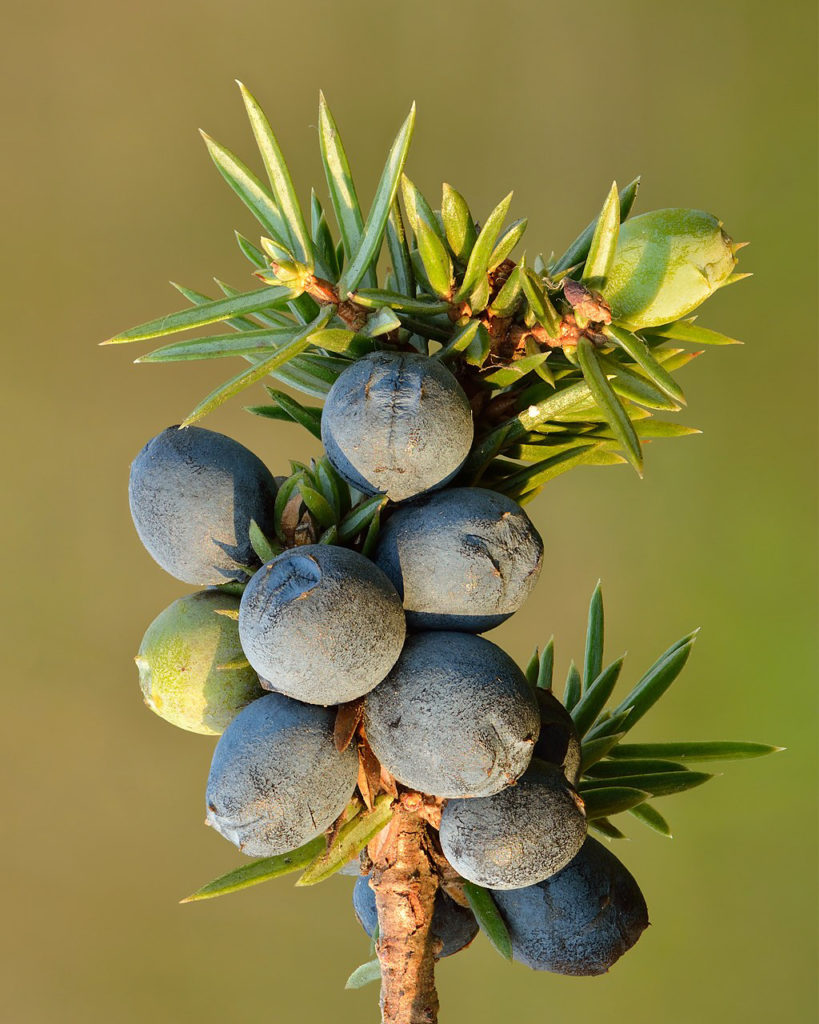

A good Gin Bar does not just pour a standard G&T and call it a night. It treats gin as a full spectrum spirit, bright and herbal in one bottle, peppery and savory in another, floral or citrus-led in the next. That range gives bartenders far more room to work than many guests realize, which is why the best drink to order is not always the most famous one. Often, it is the cocktail that shows how the bar thinks.
That distinction matters. In a serious gin-focused room, the point of a signature cocktail is not novelty for novelty’s sake. The point is to frame the botanicals in a way that makes sense. A well-built house martini can make a London dry taste lean and exacting. A citrus-forward gimlet can turn a softer contemporary gin into something almost weightless. A bitter aperitivo drink can pull hidden roots, peels, and spices to the surface. The best order depends on the bar, the bottle, and the mood you are in when you sit down.
After years of ordering through gin menus in hotel bars, neighborhood cocktail dens, and very earnest specialist spots with a shelf that runs floor to ceiling, I have learned to look for a short list of drinks that reveal a bar’s confidence. These are the signature cocktails most worth ordering, along with the clues that tell you when each one will shine.
Start with the drinks that expose the gin, not hide it
If you want to know whether a Gin Bar is serious, avoid the sugary crowd-pleasers at first. Start with a cocktail where the spirit remains in plain view. Gin is not forgiving in the way vodka can be. If the bottle selection is thoughtful and the bartender understands dilution, acidity, and texture, the drink will feel precise. If not, the botanicals clash, the citrus feels shrill, or the finish goes flat.
The strongest opening move is often something stirred, cold, and stripped back. That could be a house martini, a Martinez variation, or a white negroni riff. These drinks show restraint, and restraint is hard to fake. You notice the base spirit immediately, along with whether the bar knows how to balance temperature and salinity. A bartender can cover a weak structure with juice, sugar, or foam. It is much harder to hide mistakes in a drink made of only two or three alcoholic components.
That does not mean every first round needs to be austere. It means you should order the kind of cocktail that puts the gin at the center of the table.
The house martini is still the sharpest test
At a proper Gin Bar, the most revealing signature cocktail is often the martini, even when it appears on the menu under a house name. Maybe it comes with fino sherry, maybe a touch of dill distillate, maybe a whisper of citrus oil or a saline solution. The details vary, but the logic remains the same. The martini is where a bar declares what kind of gin drinking it respects.
A great signature martini should be cold enough to hold its structure for the first several sips, aromatic without smelling like a perfume counter, and dry or wet with clear intent. A bartending team that asks whether you prefer bracing, savory, or more rounded is usually doing things right. They are not just taking an order, they are calibrating.
When this drink is excellent, it often becomes the one you compare everything else against. I have had versions built around classic juniper-heavy London dry gin that tasted almost architectural, all edges and line. I have also had softer house martinis using more modern gins with cucumber, elderflower, or citrus in the botanical mix, and those can be lovely too, though they walk a finer line. Too much adornment and the drink loses the severity that makes a martini memorable.
If the bar has a freezer martini on the menu, pay attention. That usually signals preparation, consistency, and confidence. It can also mean the house has spent time tuning the dilution in advance, which is exactly the kind of obsession you want from a gin specialist.
Order the Negroni variation when you want to understand the bar’s palate
Every cocktail bar has a negroni. The better Gin Bar has a point of view about it. That might mean a split bitter component, an infused vermouth, a barrel-rested gin, or a move away from the red Italian bitter formula entirely. House negronis are useful because they tell you how a bar handles bitterness, and bitterness is where timid programs usually back off.
A serious variation should still respect the original’s balance between spirit, sweetness, and bitter lift. What changes is the contour. A white negroni version, for example, trades dark fruit and candied orange for gentian, herbs, and a paler, more mineral finish. That style works beautifully with gins that have strong citrus peel, coriander, or alpine notes. A richer barrel-aged interpretation leans warmer, rounder, and more autumnal, especially if Gin Bar the bar softens it with a vermouth that brings baking spice.
This is also one of the smartest orders if you are uncertain about the gin list. Even if you do not know the specific bottle being used, the drink has enough structure to carry the botanicals while still letting them speak. At the same time, a bad negroni tells you quickly that the menu may be more style than substance. Muddy sweetness, too much dilution, or a bitter component that steamrolls the gin are hard to overlook.
A gimlet shows whether the bar understands freshness and restraint
There is a reason working bartenders often respect a well-made gimlet more than guests do. The drink looks simple, but simple is exactly what makes it difficult. In a Gin Bar setting, the gimlet should feel taut, not loud. The ideal version lands between zesty and elegant, with lime acting as structure rather than spectacle.
Many signature gimlets now move beyond bottled lime cordial, which is usually a good thing, though not automatically. Some bars make their own cordial with fresh lime peel and clarified juice. Others use a blend of fresh lime and a lightly sweetened citrus syrup to keep the drink from becoming too angular. The best versions have snap and length. You taste gin first, lime second, sugar last.
This is the cocktail I often recommend to people who say they like gin but do not want anything too stiff. It is direct without being severe. It also highlights the house style in a very honest way. If the bar uses a very juniper-forward gin, the drink reads classic and almost maritime. If it uses something more contemporary, the same build can become floral, green, or almost tropical, depending on the botanicals.
The danger here is overcorrection. Too much cordial and the gimlet tastes dated in the wrong way. Too much fresh juice and it becomes sour and thin. When you find a bar that gets the center point right, it is worth remembering.
The French 75 belongs on the list when the room has polish
The French 75 can be a throwaway celebratory drink, or it can be one of the most polished signatures on a menu. At a Gin Bar that cares about balance, this cocktail often becomes a showcase for texture. You have acid, spirit, sugar, and sparkling wine, which sounds straightforward until you see how many places miss the mark by making it too sharp or too boozy.
A house French 75 deserves your order when the menu notes the style of sparkling wine or makes a point about the gin being used. That suggests the team understands that bubbles are not decoration, they are an ingredient. A leaner sparkling wine will make the drink brisk and mineral. A fruitier one rounds it out and can make a citrus-led gin feel richer than expected.
This cocktail also rewards bars that are good at service. It arrives looking effortless, and when it is made well, it drinks that way too. For guests who usually default to Champagne cocktails or spritzes, it is an easy step deeper into gin without asking them to commit to something stern.
A Collins or house highball can be smarter than a tonic
People often walk into a Gin Bar and instinctively order a gin and tonic. There is nothing wrong with that, but if the bar has developed a signature Collins or another gin-based highball, that is usually the more interesting move. Tonic can dominate. A highball built with soda, citrus, saline, herbs, or a house syrup lets the gin breathe.
The Tom Collins is a classic for a reason. In its best form, it is bright, dry enough to stay refreshing, and long enough to drink over conversation. A signature version might include seasonal fruit, peppercorn, tea, or cucumber, but the bar should still preserve that essential lift. Once a Collins gets jammy or dessert-like, it stops serving the gin.
I have ordered memorable highballs built around grapefruit peel, green tea, and a trace of rosemary, drinks that sounded delicate on paper and ended up being the most complete round of the evening. They worked because the carbonation carried the aromatics upward with every sip. That is the appeal of this category. Done well, it feels effortless, though plenty of technical choices sit underneath that ease.
The Last Word is the right order when you want complexity without heaviness
Not every guest wants to drink bitter aperitif cocktails or spirit-forward martinis all night. The Last Word occupies a very useful middle ground. It is vivid, herbal, slightly sharp, and surprisingly balanced considering its equal-parts structure. At a Gin Bar, it often appears in signature form because the drink welcomes reinterpretation while still retaining a recognizable spine.
The traditional combination of gin, green Chartreuse, maraschino liqueur, and lime can be dazzling when measured with discipline. It can also become unruly if the gin lacks backbone. That is why it is such a good barometer. A team that can place the right gin into that formula understands how to match botanical intensity, sweetness, and acidity.
Signature riffs may swap in another herbal liqueur, adjust the citrus, or use a local cherry element. The stronger versions preserve the original’s electric character. The weaker ones become too candy-like or too soft at the finish. If the menu reads adventurous and the bar seems comfortable with savory, alpine, or herbaceous profiles, this is an excellent order.
Do not overlook the Aviation and Clover Club, but choose carefully
These two cocktails sit in an interesting place at many gin-forward bars. They are famous enough to be recognized, but they are also easy to mishandle. That makes them especially worth ordering at a Gin Bar with a strong reputation, because when they are good, they are very good.
The Aviation, in the modern sense, tends to revolve around gin, maraschino, crème de violette, and lemon. Its problem is proportion. Too much violette and the drink smells like soap. Too much maraschino and the finish turns sticky. In careful hands, though, it becomes airy, floral, and faintly tart, with a color that promises whimsy but a structure that stays adult. If you see an Aviation listed as a signature house drink with a specific gin recommendation, that is usually a positive sign.
The Clover Club asks for a different kind of confidence. It needs texture and freshness, and if egg white is involved, it needs technique. Raspberry can quickly overpower the base spirit, especially if the fruit component is too sweet. A strong version keeps the berry restrained, giving the drink a soft blush and a gentle fruit note rather than pushing it into candy territory. It is a better order than many people expect, particularly for guests who think they do not like gin served up.
Seasonal house cocktails are where a Gin Bar can earn your trust
The most rewarding signature cocktail on a menu is often not a famous name at all. It is the seasonal house creation that uses gin as a foundation rather than an afterthought. The key is reading whether the drink was built from the spirit outward, or whether gin was simply dropped into a fashionable combination of ingredients.
A promising seasonal gin drink usually has one clear idea. Maybe it is emphasizing green herbs in spring, stone fruit in summer, orchard fruit and spice in fall, or resinous citrus in winter. The supporting ingredients should sharpen that idea, not crowd it. If a menu description includes five or six competing flavors, the odds go down. If it names a gin and only a few carefully chosen companions, the odds improve.
This is where bartenders with real palate control distinguish themselves. A seasonal signature can introduce ingredients that would overwhelm other base spirits yet fit naturally with gin’s botanical range. Fresh basil, tarragon, shiso, fennel, pink peppercorn, bay, chamomile, and preserved citrus all have a chance to work, but only if the bar knows when to stop.
One of the best gin drinks I have had in recent years was almost laughably simple on the menu: dry gin, quince, dry vermouth, lemon leaf. In the glass it was layered, cool, and fragrant, with the quince adding body but not sweetness. That is the sort of signature cocktail worth chasing, because it does not shout.
How to read the menu before you order
You can usually identify the strongest gin signatures before the first drink arrives. Menus reveal habits. If the Gin Bar lists the specific gin in each cocktail, that is encouraging. It means the house likely thinks in terms of pairing, not just category. If it describes texture, bitterness, or aroma rather than only fruit flavors, that is another good sign.
The bartender’s language matters too. Ask a short, direct question such as which house gin cocktail best shows the bar’s style. A vague answer suggests a generic program. A precise answer, especially one that mentions dilution, garnish, or the way a particular gin behaves, is what you want to hear.
Here are a few useful cues to keep in mind when scanning the options:
- Drinks with fewer, more deliberate ingredients often showcase gin better than crowded builds.
- House martinis, negroni riffs, and gimlets usually reveal more skill than overly sweet sours.
- A named gin on the menu is generally a stronger sign than a generic mention of “gin.”
- Carbonated drinks can be excellent, but only if the menu avoids turning them into flavored soda.
- Seasonal signatures are worth ordering when the concept sounds focused rather than busy.
Matching the drink to the moment
The best signature cocktail is not universal. Time of day, appetite, weather, Gin Bar and even the pace of service can change what will feel right. A martini before dinner can be perfect, then seem punishing late in the evening if you want something longer and lighter. A Collins may suit a crowded summer terrace better than a contemplative stirred drink. A white negroni can be glorious with salty snacks and completely wrong if your palate is already fatigued.
That is why experienced drinkers tend to order in sequence rather than in isolation. Start with a drink that tells you about the bar. Follow with something that fits your mood. End with a round that either tightens or relaxes the experience. At a Gin Bar, that might mean beginning with a house martini, moving to a seasonal highball, then finishing with a Last Word variation if you want one last aromatic push.
There are practical concerns too. If you have not eaten much, a French 75 can land more gently than a boozy stirred cocktail. If you dislike pronounced bitterness, skip the negroni family and lean toward the gimlet or Clover Club. If you love savory profiles, ask whether the bar has a dirty or Gibson-inspired signature, because some of the smartest gin programs now use pickled or brined accents with real finesse.
What the very best orders have in common
Great signature gin cocktails tend to share one trait: they respect the spirit’s architecture. They do not erase juniper, bury citrus peel, or smother delicate florals under sugar. They understand that gin is already a composed ingredient. It arrives at the bar with a built-in set of aromas and tensions. The bartender’s job is not to outshout that complexity, but to position it.
That is why the best drinks to order at a Gin Bar are rarely the most overloaded ones. They are the cocktails where every element earns its place, where the garnish contributes aroma instead of becoming theater, and where the finish leaves you with something specific to remember. A snap of coriander. A thread of angelica root. A lift of lemon oil. A dry herbal edge that keeps the next sip interesting.
If you want the shortest possible answer, order the house martini first, the signature negroni or gimlet second, and the most focused seasonal creation if the menu shows real discipline. Those three categories tell you nearly everything you need to know. From there, the rest of the night becomes easy.
The Winslow
243 E 14th St
New York, NY 10003, United States
Phone: +1 212-777-7717
FAQ About Gin Bar
How to do a gin tasting?
Start with a small pour and gently smell the gin before taking a small sip. Notice its juniper, citrus, floral or spice notes, then compare how the flavor changes with a little water or tonic. At a gin bar, ask the bartender to explain the selection and botanical pairings.
How to make the best tasting gin and tonic?
Use chilled gin, fresh tonic and plenty of ice. A common starting ratio is one part gin to two parts tonic, adjusted to taste. Choose a garnish that complements the gin's botanicals and stir gently to preserve the bubbles.
What is the smoothest tasting gin?
There is no single smoothest gin for everyone. Perceived smoothness depends on the botanical recipe, alcohol strength, serving temperature and mixer. Describe whether you prefer citrus, floral, herbal or juniper-forward flavors so a bartender can suggest a suitable style.