Why a Bar With Private Room Works for Family Celebrations
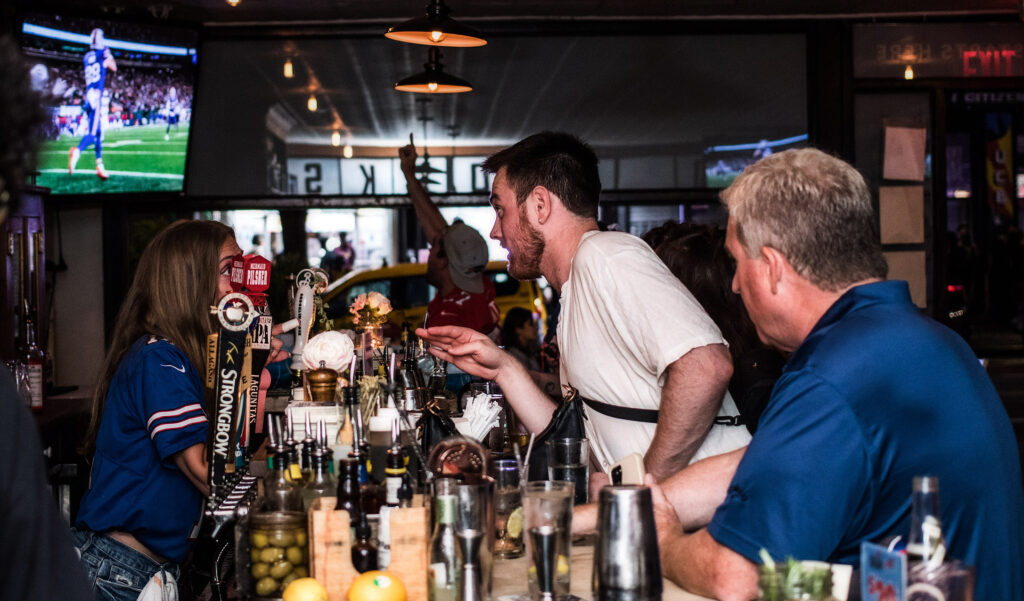
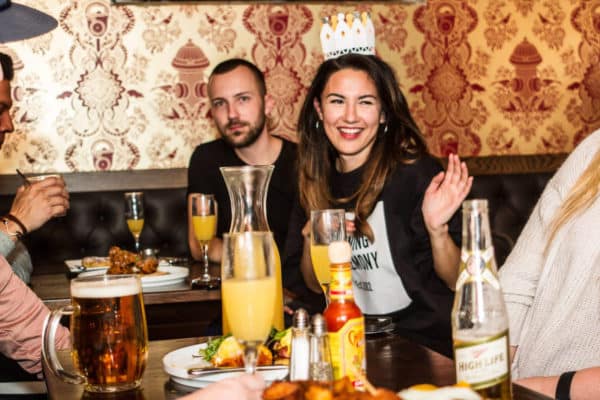
Family celebrations are rarely just about the calendar date. They carry history, personalities, old stories, sensitivities, expectations, and often a surprising amount of logistics. A fiftieth birthday can include grandparents who want to hear every conversation, teenagers who would rather be anywhere else, cousins arriving late from work, and one sibling who quietly hopes the whole thing feels special without becoming stiff. That mix is exactly why a Bar With Private Room often works better than people expect.
On paper, it may sound like a venue type better suited to office gatherings or milestone nights out. In practice, a private room inside a bar can solve several problems at once. It creates a dedicated space for your group, keeps the atmosphere relaxed, and removes much of the pressure that comes with hosting at home or booking a fully formal venue. When the celebration needs warmth, flexibility, and just enough polish, this setup hits a sweet spot.
The appeal is not only convenience. It is the way the format supports how families actually gather. People drift in, conversations break into smaller circles, someone wants a toast, someone else wants a quiet corner, children may need a little room to settle, and older relatives appreciate not being pushed into a loud main floor crowd. A private room gives shape to the event without overproducing it.
The private room changes the feel of the event
The biggest difference between reserving a few tables and securing a private room is control. Not total control, which is rarely possible with family events anyway, but the useful kind. You control the sound level around your guests, the flow of the evening, and the degree of privacy. That matters more than most hosts realize.
In a regular bar area, even a good reservation can feel fragmented. A group of twelve or twenty may be split across awkward corners. Late arrivals stand around. A birthday cake appears, and suddenly staff are trying to negotiate space between strangers. A speech or toast becomes something the whole room has to tolerate. The celebration never quite becomes its own event.
A private room changes that immediately. People know where they belong when they arrive. Coats, gifts, flowers, and strollers have a natural home. The group can settle into its own rhythm. The room becomes a temporary headquarters, which sounds minor until you have hosted enough gatherings to know how valuable that anchor point is.
There is also a psychological shift. Guests relax faster when they are not performing in public. Families often laugh louder, reminisce more freely, and tolerate each other better when they have a defined space. That little bit of separation from the main room reduces self-consciousness. It helps a seventy-fifth anniversary dinner feel intimate instead of exposed. It lets a graduation celebration include a toast without shouting over sports commentary from the bar.
It strikes a balance between casual and special
One reason family celebrations go wrong is mismatch. The venue is either too formal for the people attending or too casual for the occasion. Restaurants with private dining rooms can sometimes tip too serious, particularly for birthday parties or multigenerational gatherings where half the fun lies in movement and spontaneity. Hosting at home can be warm, but it often leaves one person trapped in the kitchen, refilling platters and worrying about glassware.
A bar with a private room sits in a useful middle ground. It feels like a treat without demanding black-tie behavior. Guests can have proper drinks, good food, and attentive service, but no one feels they have entered a venue that requires hushed voices and perfect manners. That balance matters for modern families, especially when the guest list includes a range of ages and social styles.
I have seen this work particularly well for events that are celebratory but not ceremonial. Think milestone birthdays, engagement drinks with relatives, post-christening lunches that continue into the afternoon, retirement gatherings, family reunions, and low-pressure anniversary parties. These are occasions where people want to mark the moment, not sit through a production. A private room inside a lively hospitality setting gives them exactly enough occasion.
The setting also allows the celebration to expand or soften naturally. Some guests may stay for one drink and leave early. Others may settle in for four hours. If the room is connected to a broader bar environment, there is often the option for people to mingle beyond the room later in the evening without losing the event’s core space. That flexibility is difficult to replicate at home or in a stand-alone banquet room.
Families need flexibility more than perfection
Venue marketing often emphasizes elegance, exclusivity, or bespoke packages. Families usually need something more practical. They need a place that can absorb unpredictability.
Celebrations involving relatives almost never run with military precision. One branch of the family arrives twenty minutes early. Another gets delayed. Someone adds two extra guests at the last moment. An aunt who said she would not eat suddenly asks whether there is something lighter on the menu. A toddler falls asleep on a coat pile. None of this is dramatic, but together it can derail an event in a rigid venue.
Private rooms in bars are often better at handling these variables because bars, at their best, are built around hospitality in motion. Staff are used to changing pace, adjusting drink service, pacing food informally, and keeping an atmosphere comfortable without making a fuss. That operational flexibility can be more valuable than a highly scripted private dining package.
There is a practical side to this too. Family celebrations often run on a mixed budget. Some guests are happy to spend freely. Others are watching every pound or dollar. A rigid per-head menu can create quiet pressure. A bar setting often allows for more adaptable arrangements, such as a tab for drinks up to a set amount, shared platters, a drinks reception followed by individual orders, or a simplified menu that does not punish the host for minor changes.
That adaptability does not mean standards are lower. In many cases, it means the event feels smoother because the format better matches real human behavior.
Food and drink become easier to manage
Anyone who has organized a family event knows that food can become its own diplomatic exercise. You may be dealing with grandparents who prefer straightforward dishes, younger adults who want better cocktails and good wine, children who need familiar options, and at least one guest avoiding gluten, dairy, or alcohol. A venue that can offer range without turning the meal into a formal service often wins.
A Bar With Private Room usually handles this well because the food and beverage model is already diversified. The kitchen is accustomed to serving groups and individuals at the same time. The bar program is obviously central, which helps if the celebration is built around drinks, but the better venues also understand that family occasions need substance. Guests should be able to eat enough to stay comfortable, not merely pick at decorative canapés while waiting for the speeches to end.
Shared food works especially well in this environment. Platters, small plates, and grazing-style service allow people to eat at different tempos, which suits mixed-age groups. Not everyone arrives hungry at the same moment. Not everyone wants a three-course meal. Some want to sit and eat properly, others prefer to dip in between conversations. The private room gives that style of service a home.
Drinks service is another area where the setting shines. The celebration can include a welcome drink, a round of champagne for a toast, a few good alcohol-free options, and then a simple cash bar or limited tab. That arrangement feels generous without forcing the host into an open-ended spend. It also lets guests choose their own pace, which is especially helpful at family events where drinking habits vary widely.
Privacy helps with emotion, not just noise
Many family celebrations carry a deeper emotional charge than people admit while planning them. A retirement party may quietly acknowledge a major life shift. An anniversary gathering may include absent relatives who are remembered during a toast. A birthday can feel heavier after a difficult year, a health scare, or a family loss. Even joyful events, such as engagements or baby celebrations, can bring layered feelings into the room.
A private room creates space for those moments. Not in a theatrical sense, but in a humane one. It allows for speeches that are sincere instead of rushed. It gives relatives room to laugh, cry, tell stories, and share memories without feeling watched by strangers at the next table. That privacy has emotional value.
This matters even when the occasion is lighthearted. Families have their own humor, shorthand, and occasional friction. Being in a semi-enclosed room reduces the need to censor every exchange. Guests can be themselves. The event breathes more naturally.
The best private rooms offer enough separation to feel exclusive, but not so much that the space becomes isolated or dead. That distinction is worth paying attention to during venue selection. A room should feel connected to the energy of the bar while still protecting the atmosphere of the event. A sealed corporate boardroom with a drinks package rarely produces the same warmth as a private room with character, natural service flow, and some ambient life around it.
It is often easier on the host than entertaining at home
Home hosting has obvious emotional appeal. It can feel personal, cost-effective, and meaningful. It can also be exhausting. The hidden labor is substantial, especially for family celebrations where expectations run high. Cleaning, shopping, cooking, setting up, accommodating dietary restrictions, managing drinks, and then dealing with the aftermath can wipe out the person who is supposed to be celebrating or honoring someone else.
A bar with a private room removes a surprising amount of that burden. The host still makes choices, of course. There is menu planning, guest coordination, and budget management. But the operational work belongs to professionals. Ice appears because it is their job. Glasses are cleared. Extra chairs are found. The room is reset. The host gets to be present.
That point is easy to overlook until you watch the difference in real time. At a home gathering, the host is usually half in conversation and half on duty. At a well-run venue, the host can actually sit down. They can hear the speeches. They can enjoy the evening rather than managing it from the edges.
For families celebrating someone important, that alone can justify the venue choice. If the goal is to create a good memory, it helps when the organizer is not visibly stretched thin by dessert plates and dishwasher cycles.
Cost can be more reasonable than people assume
There is a persistent belief that private rooms automatically mean premium pricing. Sometimes they do, especially in sought-after city venues on peak nights. But many bars structure private room bookings more flexibly than formal event spaces. Instead of a high hire fee, they may work with a minimum spend, a food and beverage package, or a hybrid arrangement that gives the host options.
That can make the numbers more manageable, particularly for mid-sized gatherings. A family celebration of fifteen to thirty guests often sits in an awkward zone. It is too large for an easy restaurant booking, too small to justify a banquet hall, and inconvenient to stage at home. A private room in a bar fits that middle category well.
It is also easier to control spend when the venue understands event pacing. For example, a host might cover arrival drinks and food, then let later rounds run individually. Or they may choose a defined package for two hours and extend only if the mood and budget allow. That kind of modular planning is useful for families, where there may be https://spencerolen969.theburnward.com/how-to-find-the-perfect-bar-with-private-room-for-your-event genuine differences in what people expect from the evening.
There are trade-offs, of course. A premium private room on a Saturday night may require a spend level that only makes sense for a major milestone. Some bars prioritize nightlife over comfort and are less suitable for older relatives or daytime events. Others may have beautiful rooms but weak food, or strong food but poor accessibility. Value depends on fit, not just price.
The room itself can make or break the choice
Not every private room is truly right for a family celebration. Some are too dark, too noisy, too cramped, or too obviously designed for corporate bookings. Others feel excellent online and disappointing in person. A smart booking decision comes down to details you only appreciate if you think like a host.
Look first at layout. A room that technically fits twenty may feel tight if you want space for mingling, gifts, high chairs, or a small cake table. Seating should suit the event. A mix of chairs, banquettes, and standing room often works better than one long boardroom setup, unless the occasion is built around a seated meal.
Acoustics matter as much as aesthetics. Hard surfaces can make a room punishingly loud once fifteen people start talking at once. Good lighting matters too. Families generally want flattering, warm light, not nightclub gloom or harsh ceiling panels that make everyone look tired by seven o’clock.
Accessibility deserves serious attention. It is not an afterthought when grandparents, relatives with mobility needs, or guests with prams are involved. Stairs, narrow corridors, inaccessible toilets, and awkward entrances create stress fast. A venue can be charming and still be the wrong call if getting in and out is a struggle.
If the room has character, that helps. Families respond well to spaces that already feel inviting. You should not need extravagant decoration to make the room work. A few flowers, a cake, perhaps framed photos for a milestone, that is usually enough if the room has warmth to begin with.
A few questions are worth asking before you book
Most private room problems can be prevented by asking direct questions early. Hosts are often shy about this, but clarity protects the celebration and the relationship with the venue. Good operators expect it.
Here are the essentials to cover:
- What is the minimum spend or room fee, and what exactly counts toward it?
- How private is the room in practice, including noise bleed and foot traffic?
- Can the food and drink offering flex for children, dietary needs, and mixed budgets?
- What is the plan for timing, speeches, cake service, and any late changes in guest count?
- Is the room fully accessible, including toilets and entry routes?
Those five questions solve a remarkable number of downstream issues. They also reveal how experienced the venue is with family events. If the answers are vague, defensive, or overcomplicated, take that as useful information.
The best celebrations feel effortless, even when they are carefully planned
That is the real argument for this type of venue. A successful family celebration should not feel like an exercise in logistics, even though logistics are what make it possible. When the setting is right, guests remember the easy parts. The uncle who gave an unexpectedly funny toast. The cousins who stayed longer than planned. The grandmother who was comfortable enough to stay through dessert. The sense that everyone had space to be themselves.
A Bar With Private Room supports that kind of ease because it respects what family gatherings really are. They are social but personal, festive but unpredictable, often a little messy around the edges. They need hospitality, not choreography. They need a space with enough structure to hold the group and enough freedom to let the evening unfold.
For milestone events, that combination is hard to beat. You get privacy without stiffness, service without fuss, atmosphere without surrendering the event to the main crowd. Most important, you give the family a chance to gather in a way that feels both comfortable and memorable. That is usually the whole point.
The Winslow
Address: 243 E 14th St, New York, NY 10003
Phone number: +12127777717
FAQ About Bar With Private Room
Which bars in NYC offer private rooms?
Many bars in New York City offer private and semi-private rooms for parties and events, ranging from hidden basement speakeasies to upscale lounge spaces. Top options include The Back Room on the Lower East Side, Dear Irving Gramercy, Pebble Bar in Midtown, Mister Paradise in the East Village, and The Winslow in the East Village.
What is a private room in a pub called?
A small, private seating area or partitioned booth in a traditional pub is most commonly called a snug. Larger private rooms used for events, parties, or dining are typically referred to as private dining rooms, function rooms, or back rooms.
How much does a 2 hour open bar cost?
A 2-hour open bar generally costs between $15 and $45 per person, depending heavily on the quality of alcohol you choose. For a standard group of 100 guests, this translates to an overall cost of $1,500 to $4,500 before taxes, setups, and staff gratuities.